To access the HUNT ME referral program dashboard, enter the email and password you used during registration.
Fill out the form — it takes 2 minutes. A manager will contact you on Telegram, provide free training, and help you get your first result.

People are tired of “perfect” ads. At the same time, most platforms reward content that holds attention longer—watch time, saves, comments, shares. That’s why polished studio commercials often lose on CTR: users spot them instantly and scroll.
In 2026, UGC creatives are one of the fastest levers in performance and affiliate marketing. They feel natural, they’re cheap to produce, and they let you test dozens of angles quickly. When test speed decides profitability, native ad creatives aren’t just a trend—they’re the default growth engine.
This guide explains why UGC ads work, how to structure and test them like a system, and how to scale without losing quality.
UGC stands for “user-generated content,” but in performance marketing it’s really a delivery style, not just “someone filming on a phone.”
UGC ads for affiliate marketing are designed to blend into the feed. The goal is that the viewer doesn’t feel like they’re being sold to in the first two seconds. It’s not about high production value—it’s about believability.
Earn with HUNT ME — weekly payouts
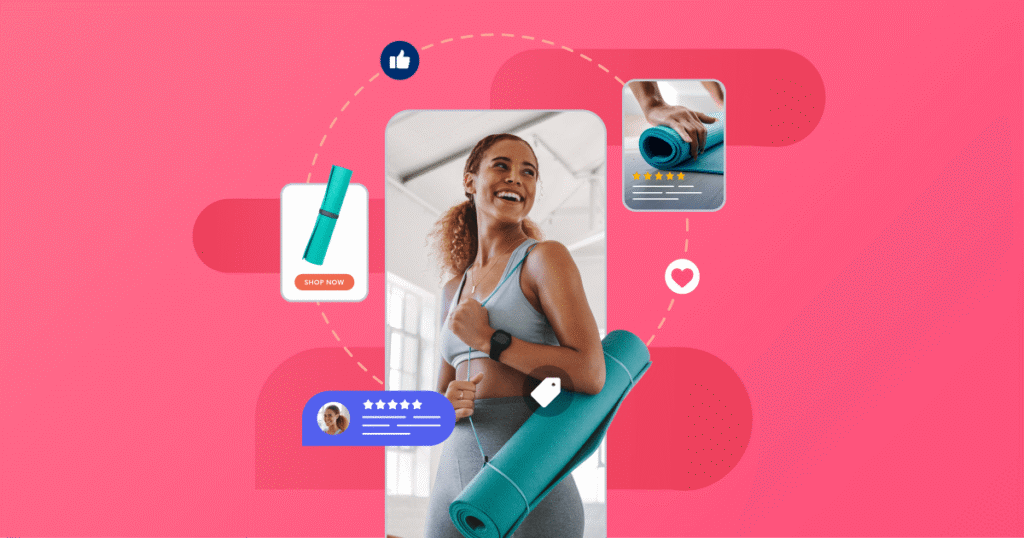
UGC can be:
The key is structure. “Native” doesn’t mean chaotic. A UGC creative still needs:
In practice, think of UGC as a way to package intent. You’re not trying to look “cheap” or improvised — you’re trying to look familiar enough that the viewer keeps watching. The moment the message feels scripted, over-produced, or disconnected from real behavior, the ad loses its UGC advantage and starts performing like any other commercial.
That’s why structure matters: a tight hook, one clear point, a believable proof moment, and a next step that matches the landing page. When those pieces are aligned, UGC doesn’t just win clicks — it pre-qualifies the user, reduces bounce, and makes your conversion metrics more stable as you scale.
UGC wins because of how people process information:
People react to situations that mirror their own experience. UGC creates “this is about me,” which lowers resistance and increases engagement.
The brain filters obvious advertising automatically. UGC feels like normal content, so users watch longer and click more often. This is why brands consistently increase CTR with UGC compared to polished ads.
Even when viewers know it’s promotional, first-person delivery feels more believable. It reduces skepticism and improves downstream behavior—not just CTR.
Earn with HUNT ME — weekly payouts
In short: you can build trust with UGC because it looks and sounds like real people talking, not a scripted commercial.
Comparing UGC vs polished ads directly isn’t always fair—they serve different jobs.
Polished creative is great for:
But it’s also easier to identify as “an ad,” which often reduces engagement.
UGC is great for:
The best setup is usually hybrid:
A practical way to use both is to treat UGC as your “performance engine” and polished creative as your “trust engine.” Start with UGC to discover what people actually respond to (angles, hooks, objections, proof points) and to iterate quickly while the algorithm learns.
Once you’ve confirmed a message that converts, bring in more polished assets to reinforce credibility, reduce skepticism, and support higher-ticket or longer-consideration funnels. This combo is especially powerful in retargeting: UGC can do the first conversion push, while polished creatives handle reassurance, FAQs, and proof—so you get both speed and stability instead of choosing one at the expense of the other.
Even the most “natural” UGC follows a pattern:
Top reasons UGC fails:
That’s how you get CTR but lose conversion.
You don’t need 100 new ideas. You need 10 repeatable structures.
Here are high-performing UGC scripts for ads you can adapt:
These formats are especially effective on short-form feeds like TikTok and Meta. That’s why TikTok UGC creatives and Meta UGC ads dominate performance testing in 2026.
UGC is strongest when it’s treated as a pipeline, not random filming.
A simple production system:
If you work with creators:
This is the backbone of scaling campaigns with UGC: you scale the system, not one lucky video.
How to test UGC creatives (and not drown in variations)
Testing is where UGC becomes a real advantage. But only if you test cleanly.
The rule: change one variable at a time.
That’s the fastest way to A/B test UGC creatives properly:
Also: CTR alone isn’t the goal. CTR is attention. Quality is money.
If CTR is high but sales are weak, you likely have:
UGC gives fast signals—but don’t judge too early. You still need enough volume to avoid random outcomes.
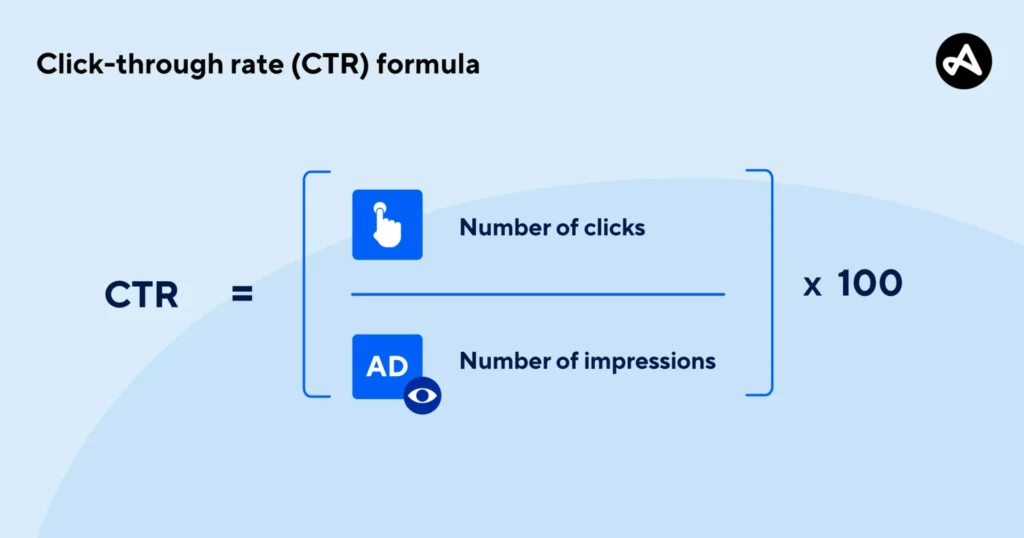
UGC can last longer because it feels native, but it still burns out. Creative fatigue and UGC show up as:
Most often the problem is the opening seconds. You can frequently refresh performance by changing:
A high-performing structure is “three pools”:
This keeps performance stable without constant full rewrites.
UGC doesn’t exempt you from platform rules. In fact, UGC needs more care because the tone can drift into claims and “red flags.”
Best practices:
Honest UGC tends to run longer and scale more reliably because it triggers fewer complaints and fewer review issues.
UGC scaling is not one creative at higher spend. It’s:
When you treat UGC as a production-and-testing system, scaling becomes predictable.
UGC in affiliate marketing isn’t just a format—it’s a system. It earns clicks and trust because it feels human, but it only performs consistently when you add structure: scripts, testing discipline, tracking, and regular refresh.
A “money UGC” creative usually has four elements:
If you’re new to performance and affiliate traffic, join HUNT ME. We’ll provide offers, scripts, guides, and ready-to-use tools to help you build stable results faster.
1) Why do UGC creatives usually get higher CTR than studio ads?
Because they look like normal feed content. Users don’t instantly label them as “ads,” so watch time and engagement improve—leading to higher CTR.
2) What’s the fastest way to produce UGC variations?
Use a matrix: one angle + multiple hooks + multiple proof elements + multiple CTAs. One concept can become 10+ testable versions quickly.
3) What should I optimize for: CTR or conversions?
CTR is attention, conversions are business. Use CTR to screen hooks, but make decisions on downstream metrics (lead quality, paid events, refunds/chargebacks if available).
4) How do I A/B test UGC creatives correctly?
Change one variable at a time (hook OR proof OR CTA). Keep the rest constant so you know what caused the result.
5) How do I know if performance dropped because of creative fatigue?
If CTR declines while targeting and delivery remain stable—and frequency is rising—it’s likely fatigue. Refresh the first 1–2 seconds before rebuilding the whole ad.6) Are TikTok and Meta still the best platforms for UGC in 2026?
For short-form, yes — TikTok UGC creatives and Meta UGC ads are still dominant. But the winning approach is platform-native execution + constant creative refresh.
Registration takes 2 minutes. No experience needed — we'll teach you everything.
Just fill out the form
Registration takes 2 minutes. No experience needed — we'll teach you everything.