To access the HUNT ME referral program dashboard, enter the email and password you used during registration.
Fill out the form — it takes 2 minutes. A manager will contact you on Telegram, provide free training, and help you get your first result.
Prelanders are one of the most polarizing tools in affiliate marketing. In some funnels, a prelander page increases sales, improves lead quality, and makes traffic “stickier.” In other funnels, it’s just an extra step that adds friction, lowers total profit, and makes optimization harder.
That’s why teams often split into two camps: “prelanders are mandatory” vs “prelanders are a waste.” In reality, both can be right—depending on the offer type, traffic temperature, GEO, and what you’re trying to optimize (speed, approval rate, paid conversions, or LTV).
This guide explains what prelanders for affiliate marketing and quiz funnel setups actually do, when they improve performance, when they hurt, how to structure them, which metrics matter, and how to test properly—so you’re not paying for pretty intermediate numbers that don’t turn into revenue.
A prelander is a warm-up page that sits between the ad click and the main offer landing page. Think of it as a warm-up page for offers: it helps cold users understand what they’re seeing, sets expectations, and reduces the “ad → offer mismatch” that causes bounce and refunds.
A quiz landing page is a more interactive prelander. Instead of reading, the user answers questions, gets a personalized “result,” and then continues. Done well, quizzes increase engagement and trust. Done poorly (same outcome for everyone), they feel manipulative and can crush conversion.
Earn with HUNT ME — weekly payouts
Together, prelanders and quizzes can:
In practice, the prelander’s job is to “translate” the ad into a decision the user is ready to make. Cold traffic often clicks out of curiosity, not intent. If you send that curiosity straight to a hard-sell offer page, a big percentage bounces because the mental context isn’t there yet. A good prelander builds that context fast: it clarifies what this is, who it’s for, what happens next, and why the next step is worth taking. That expectation-setting is also why prelanders can reduce refunds later — because users don’t feel surprised or misled once they reach the offer.
Quizzes do the same job, but with an extra advantage: participation. When someone answers questions, they’re making micro-commitments, and the “result” feels earned — especially if the outcome is genuinely segmented based on inputs. That boosts trust and makes the next click feel like a natural continuation rather than a jump into a sales page.
The key is honesty: if the quiz pretends to personalize but gives everyone the same result, users feel played and conversion collapses. Done right, a quiz is not a gimmick — it’s a structured way to warm up, qualify, and move users forward with less friction.
The question “do prelanders increase conversion rate?” has only one honest answer: sometimes — but when they help, they usually help for a clear reason.
Prelanders and quizzes tend to outperform direct-to-offer when:
In these cases, the prelander converts curiosity into real intent and improves the quality of users who reach the offer.
A prelander becomes harmful when it adds friction without adding value. Every extra step costs you something.
Earn with HUNT ME — weekly payouts
Common “prelander hurts” scenarios:
Mismatch doesn’t just reduce conversions. It increases complaints, refunds, and long-term account risk. If your prelander “sells one story” and the offer delivers another, users feel tricked.
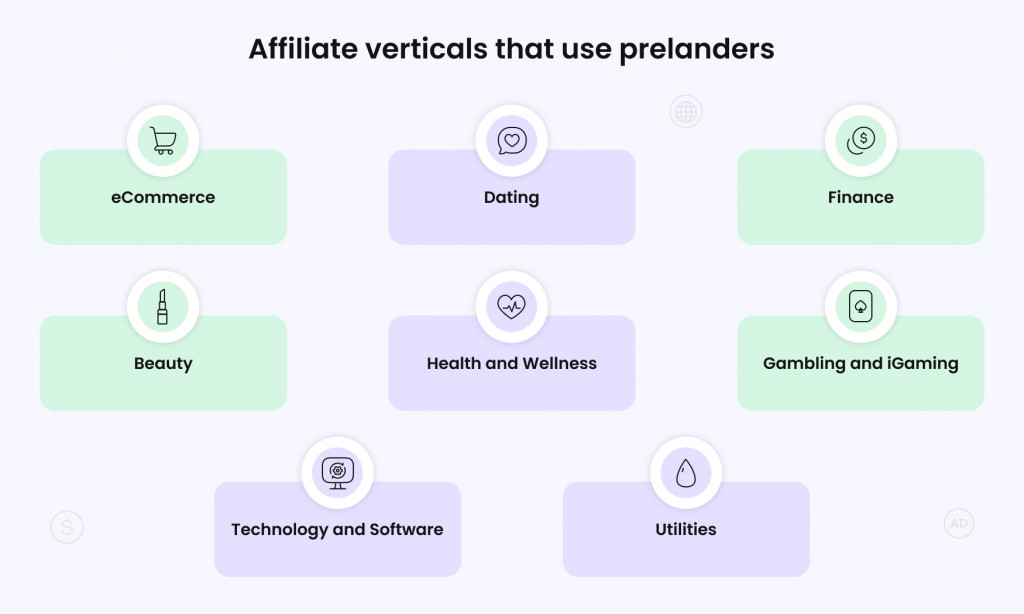
Prelander vs direct landing page is a decision about economics, not preferences.
Direct-to-offer is often best when:
Prelanders and quizzes are best when:
The core rule:
If you add a step, it must improve the end result—paid conversions, net profit, approval rate, or retention—not just clicks.
A strong prelander is simple and linear:
Everything should prepare the user for the next page. No sharp tone shifts, no “bait-and-switch.”
Most winning quizzes are short: 5–8 questions max. Each question must feel meaningful to the user, not like data collection.
Best practices:
If the quiz feels honest, it increases engagement. If it feels fake, users disengage and conversion drops.
Many affiliates make the same mistake: they only watch clicks. You need to evaluate the full funnel:
Sometimes prelanders “convert slower” but produce higher-quality buyers. That’s why you should judge by money events, not just early funnel speed.
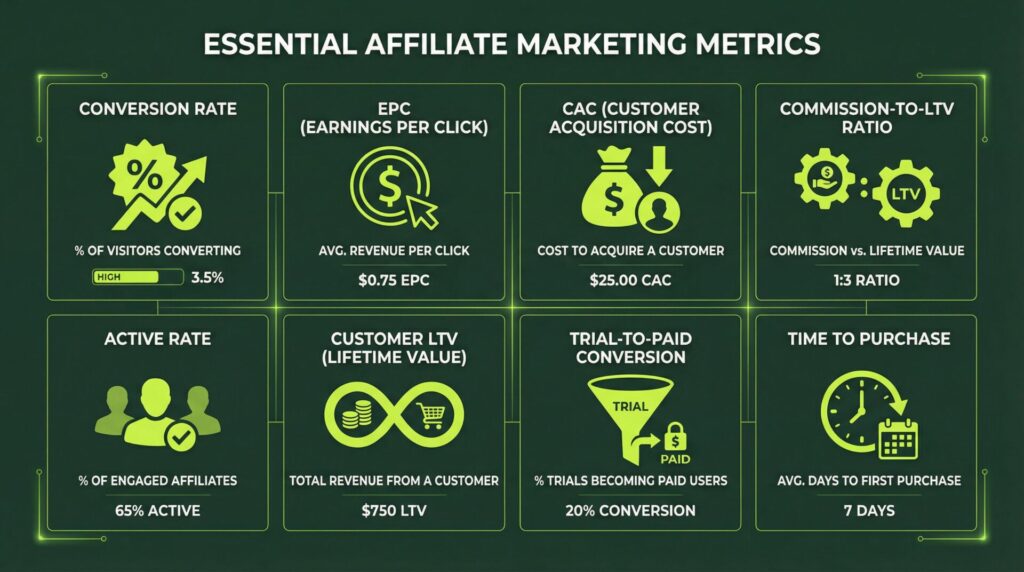
Testing is mandatory. The cleanest method is a holdout split:
That’s the only honest way to measure impact on the click to lead to sale funnel.
Key rules for how to test prelanders:
For quizzes, you can test:
For deeper optimization, use multivariate quiz testing carefully (only when you already have enough traffic volume). Otherwise it becomes hard to isolate what changed performance.
This is funnel conversion rate optimization done correctly—testing based on real revenue.
Prelanders and quizzes are not magic. They work when they improve quality and profit—not when they inflate intermediate metrics. In 2026, the teams that win are those who keep testing, follow the funnel to money, and remove steps that don’t pay for themselves.
If you’re just starting out in affiliate marketing, join HUNT ME! We’ll provide you with your first offers, scripts, guides, and ready-made tools—everything you need to get started. How much you earn depends on your traffic, and payouts arrive every week in USDT.
Register and receive your first offer in just 5 minutes!
1) Do prelanders increase conversion rate for every offer?
No. Prelanders can improve conversion when they add clarity or trust, but they can hurt simple offers or warm traffic by adding friction.
2) What’s the best length for a quiz funnel?
Usually 5–8 questions max. The longer the quiz, the more drop-off. Focus on completion rate and paid outcomes, not just engagement.
3) Should I use a prelander or go direct for retargeting traffic?
Most retargeting is warmer, so direct-to-offer often wins. If you use a prelander, it should address a specific objection or add proof — not repeat the same pitch.
4) What metrics should I use to judge a prelander test?
Look at the full click-to-lead-to-sale funnel: paid conversion rate, ROI, refunds, and (for subscriptions) renewals—not just prelander CTR.
5) How do I run an A/B test prelander correctly?
Split traffic between direct-to-offer and prelander routes, keep other variables stable, and change only one element per iteration.
6) When does multivariate quiz testing make sense?
Only when you have enough volume to test multiple elements without muddying results. Otherwise you won’t know which change caused the outcome.
Registration takes 2 minutes. No experience needed — we'll teach you everything.
Just fill out the form
Registration takes 2 minutes. No experience needed — we'll teach you everything.