To access the HUNT ME referral program dashboard, enter the email and password you used during registration.
Fill out the form — it takes 2 minutes. A manager will contact you on Telegram, provide free training, and help you get your first result.

Most affiliates choose offers the simplest way: they look at payout and launch a test. If the payout is high, the offer feels profitable by default. But in real operations, the same payout almost never means the same profit. One offer can hold ROI and scale for weeks; another collapses after the first batch of conversions because of hidden KPIs, refunds, holds, or strict traffic rules.
That’s why an “offer on paper” and an “offer in production” are two different things—especially in adult verticals, where chargebacks are higher, validation is stricter, and deductions and adjustments affiliate can quietly erase what looked like a great test. The affiliates who survive long-term treat offer selection like underwriting: they do an offer breakdown affiliate marketing review before spend, not after the damage.
This guide shows exactly how to read affiliate offer terms, what red flags to look for, and what to ask an affiliate manager so you don’t learn the hard way.
An offer breakdown is a structured review of the offer’s economics, restrictions, and quality requirements. The goal is not to “read the offer card.” The goal is to understand how the offer behaves under real traffic: what gets approved, what gets held, what gets reversed, and what gets deducted later.
Many affiliates experience the same pattern: they see strong early numbers, scale slightly, and then discover the source type wasn’t allowed, the approval logic changed, or half the conversions sit in hold forever. Suddenly payouts don’t match expectations and it feels like the network “cut” the numbers. In reality, the offer’s conditions were always there—just not fully understood.
Earn with HUNT ME — weekly payouts
A good breakdown lets you compare offers without illusions. When you understand affiliate caps explained, allowed traffic affiliate offers, KPIs, and net revenue mechanics, you stop buying traffic blind.

Caps are volume limits on conversions or spend (daily/weekly/monthly). They sound like a minor technical setting, but caps are one of the most common ways affiliates lose money during early scaling.
Here’s what happens in practice: you increase budget because leads are rising, but you quietly exceed the cap. Conversions still show up in your tracker, but crediting changes: the extra volume can be rejected, delayed, or paid at a different rate depending on the program’s rules. If you don’t know what the offer does after the cap is hit, you can keep spending into a zone where your effective payout collapses.
There’s also a critical difference between:
Before launch, you should know which cap type you’re dealing with, how caps are counted (per day, per GEO, per source), and what happens beyond the limit. This is exactly why top teams don’t treat caps as “fine print” — they treat them as a scaling constraint.
If you want one section to read twice, read this one. Allowed traffic affiliate offers is where most expensive surprises are born.
“Allowed traffic” is not just a list of channels. It’s often a set of constraints on how traffic is generated and how intent is formed. An offer may say “social allowed” but reject traffic that looks incentivized, misleading, or mismatched in context.
You need to separate:
Earn with HUNT ME — weekly payouts
A huge trap is vague language like “allowed after approval.” If you don’t get that approval in writing, you’re giving the program an easy reason to reverse or reject later. This is also where adult verticals are strict: “adult-to-nonadult mismatch” and “implied affiliation” problems can trigger both platform enforcement and offer-side reversals.
If you want to avoid clawbacks, your first offer breakdown question is always: “Is my exact traffic method explicitly allowed?”
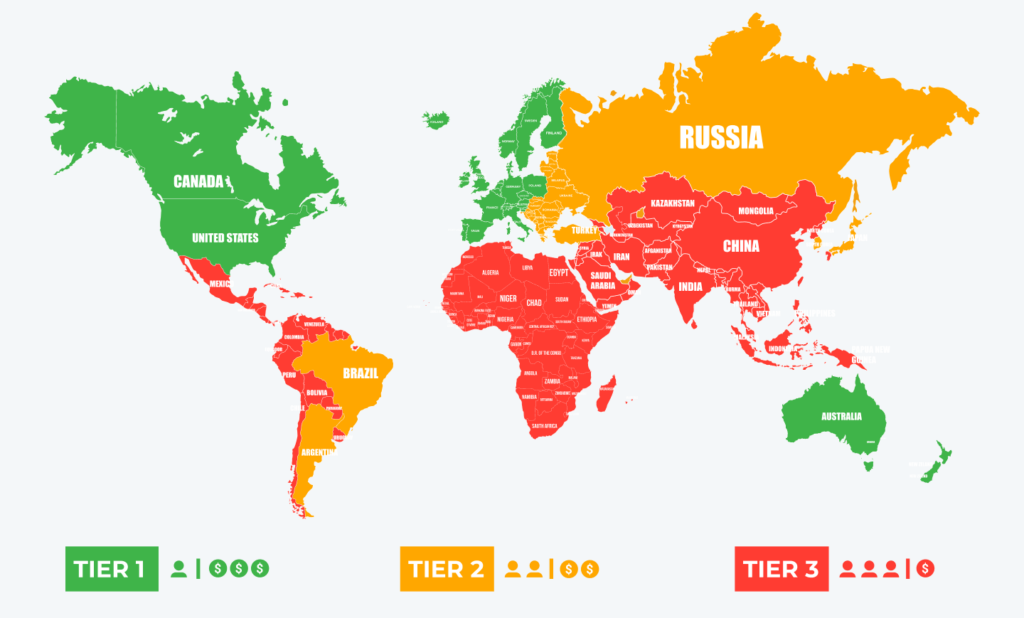
Many beginners think KPI means “bring leads.” Programs think KPI means “bring outcomes that are safe and profitable for the advertiser.”
That’s why affiliate KPI requirements often include quality thresholds such as:
The tricky part: KPI is sometimes not written as a number. You might not see “minimum approval = 70%,” but you will feel it through longer holds, “quality reviews,” or deductions if traffic quality falls below internal thresholds. This is the moment many affiliates assume shaving—when it’s often just validation and risk control.
Adult offers tend to have tighter internal thresholds because downstream reversals are higher and billing disputes are more common. That makes KPI awareness non-negotiable.
Deductions are the adjustments that reduce what you actually receive: refunds, chargebacks, fraud adjustments, duplicate removal, and validation removes. This is exactly why affiliates should focus on gross vs net revenue affiliate, not just top-line conversion counts.
Gross can look amazing in early reporting, especially if the offer credits leads quickly. Net reflects what survives after reversals and quality enforcement. The mismatch between those two is often the simplest explanation for “payout looked high, payout received was low.”
Normal deductions exist in most verticals. But red flags include:
If you cannot see a clear breakdown of why deductions happened, you can’t optimize. You’re forced to guess — which is how profitable funnels turn unprofitable quietly.
A high payout is meaningless if the model doesn’t match your traffic.
This is where “lead ≠ money” becomes critical. For subscriptions, you need visibility into subscription paid rebill refund events. If you can’t track paid/rebill/refund properly, you can’t judge whether the offer is truly profitable or just “lead-heavy.”
The most useful metric isn’t the advertised payout — it’s your effective payout after holds, refunds, chargebacks, and deductions. That’s what determines real ROI.

Holds are one of the most common frustration points. Affiliates often interpret holds as delay tactics. In reality, holds are usually tied to validation windows: the program waits to confirm quality and reversals before releasing money.
You should understand:
A reliable program can still have holds — what matters is transparency. If your traffic is stable, clean, and low-risk, you can often negotiate hold reductions over time. But you only get that leverage when you can show stable quality and clean event evidence.
Many offers “don’t work” not because your creative is bad, but because the offer doesn’t fit the market or device reality.
Examples of what breaks funnels:
If you don’t validate GEO/device fit upfront, your approval rate and paid rate can collapse even with decent traffic. That’s why top affiliates include GEO/device constraints in the offer breakdown, not as an afterthought.
Here are classic red flags affiliate offer signals:
If you see these, don’t assume the offer is “bad.” Assume it’s high-risk unless proven otherwise through small controlled tests and clear manager confirmation.
These questions to ask affiliate manager prevent most painful surprises:
If you get clear answers here, your tests become far more predictable.
The biggest affiliate mistake is picking an offer based only on payout. Profit is determined by terms: caps, allowed traffic, KPI enforcement, deductions, hold logic, and how money events actually mature.
Make offer breakdown a habit before every launch. It turns “surprises” into expectations, helps you match offers to your traffic, and protects you from spending into rules you didn’t understand. In adult verticals especially, this is the difference between stable scaling and constant payout drama.
1) Why can two offers with the same payout have totally different profit?
Because terms change the economics: caps, holds, approval logic, deductions, and refund/chargeback rates. The headline payout is only one piece of the system.
2) What’s the fastest way to spot allowed traffic problems?
Read the traffic rules carefully and ask the manager to confirm your exact source method. “Allowed after approval” without written confirmation is a common reason for reversals.
3) How do I evaluate KPI requirements if the program doesn’t publish thresholds?
Ask for benchmarks (approval and refund ranges) and watch early signals in small tests. KPI enforcement often shows up through holds, validation reviews, or deductions.
4) Why are deductions and adjustments so common in adult offers?
Because refunds/chargebacks are higher and validation is stricter. Net revenue is what survives after reversals and fraud cleaning, which is why gross numbers can be misleading.
5) What should subscription offers always provide for proper tracking?
Visibility into paid/rebill/refund events (postback or reporting). Without lifecycle events, you can’t judge true profitability or optimize for LTV and payback.
6) When should I negotiate caps or hold reductions?
After you show stable performance over 7–14 days with consistent approval and manageable refunds. Managers are more likely to increase caps or reduce holds when your growth looks safe.
Registration takes 2 minutes. No experience needed — we'll teach you everything.
Just fill out the form
Registration takes 2 minutes. No experience needed — we'll teach you everything.