To access the HUNT ME referral program dashboard, enter the email and password you used during registration.
Fill out the form — it takes 2 minutes. A manager will contact you on Telegram, provide free training, and help you get your first result.

Many affiliate problems begin before the first campaign goes live.
One unapproved traffic source, a broken postback, a misleading creative, or a missed offer restriction can lead to rejected leads, payout holds, deductions, account reviews, or lost ad spend.
A safe adult traffic launch is not about being overly cautious. It is about checking the parts of a campaign that can create avoidable losses later.
Before you scale, you need to know that the offer is compliant with your traffic source, the funnel matches user expectations, tracking works correctly, and the payout rules are clear.
This adult traffic safety checklist explains what to verify before launch, how to protect affiliate accounts, how to avoid affiliate payout cuts, and how to reduce preventable problems with compliance, tracking, and traffic quality.
Earn with HUNT ME — weekly payouts
Many affiliates open an offer card, look at the payout, and move straight into campaign setup.
That is where many future issues begin.
Before launching, review:
An offer page is not just a payout description. It tells you which actions are considered payable, how long traffic may stay under review, which events will be reported, and what can trigger revenue adjustments. If these rules are unclear before launch, it becomes difficult to distinguish a normal validation process from a real campaign problem.

One of the most common questions is: “Can I run traffic from social media?”
The better question is:
“Is the exact traffic method I plan to use approved for this offer?”
Adult offer allowed traffic rules define which acquisition methods are accepted by the advertiser or affiliate program.
Earn with HUNT ME — weekly payouts
Before launch, confirm:
Good leads do not automatically guarantee a payout. If the source violates offer rules, an affiliate program may reject traffic even when approval rate and paid conversion look strong. When something is unclear, ask the affiliate manager before spending budget and keep the confirmation. That simple step can prevent a campaign from looking profitable in your tracker and then becoming unpayable later.
Safe creatives are not weak creatives.
The purpose of a creative is not only to attract clicks. It should attract users who are actually suited to the offer and understand what they are about to see after the click.
Before publishing any ad, check that:
Copyright-safe ad creatives matter more than many affiliates realize.
Using material without proper rights can create account-level problems even when the campaign itself performs well.
The same creative is also not automatically suitable for Telegram, TikTok, native ads, SEO content, or an ad network placement.
Each channel has different rules, audience expectations, and moderation sensitivity.
Aggressive messaging may improve CTR, but it can also attract the wrong audience. That often leads to weaker paid rate, lower retention, more refunds, and more complaints.
A strong creative should create accurate expectations, not just curiosity.
Launch safety is closely connected to what happens after the click.
The creative, prelander, and offer page should tell one consistent story.
Before launch, verify that:
A mismatch between ad copy and landing-page content is one of the most common causes of poor paid conversion, refunds, complaints, and payout adjustments.
When users know what they are clicking into, they are more likely to complete the funnel with realistic expectations.
That improves both traffic quality and long-term campaign stability.
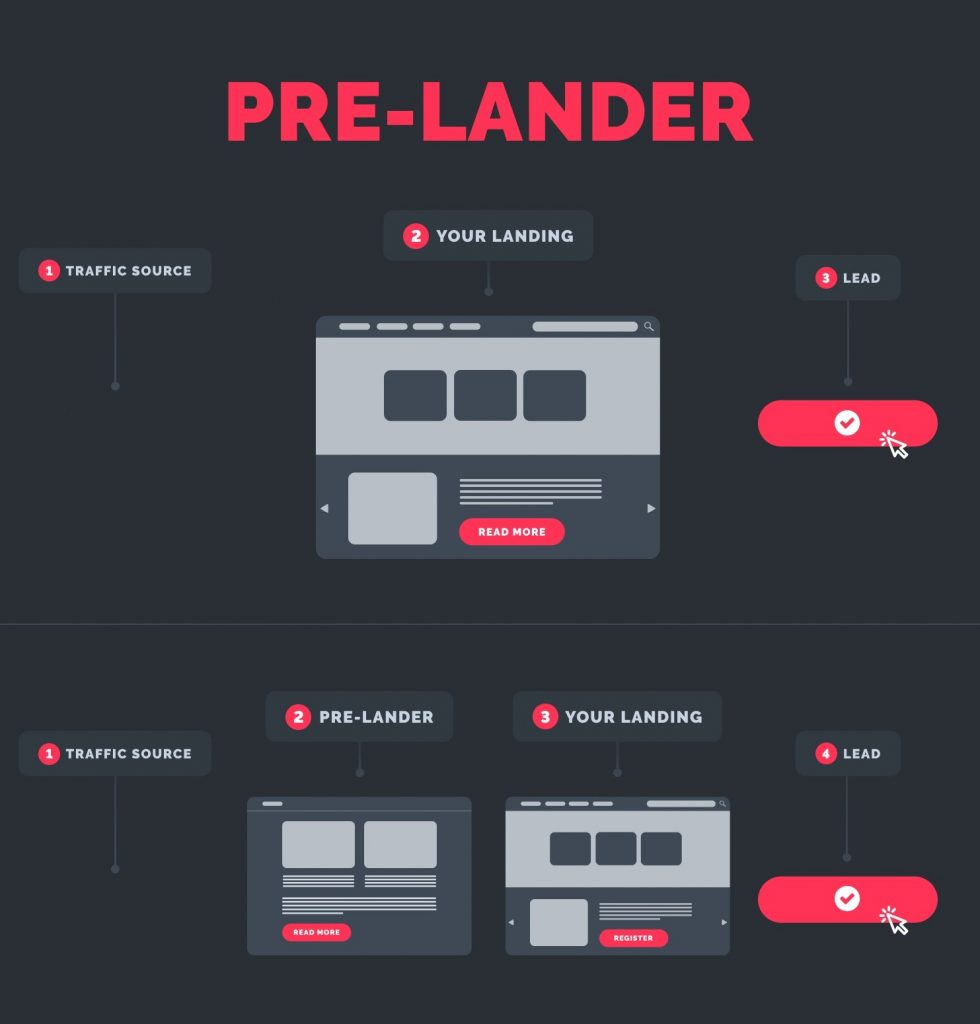
A campaign is difficult to optimize if you do not know what happens after the first click.
Before launch, verify that the following elements work:
Your affiliate tracking checklist should include a real test click before you spend meaningful budget.
Make sure parameters are preserved through the redirect chain. Confirm that the tracker receives the correct event and that your reporting shows the same traffic source, GEO, creative, and campaign segment you expect.
A few minutes of testing can prevent days of confusion later.
Without accurate tracking, you may scale the wrong creative, pause a profitable segment, miss refund data, or blame an offer for a technical problem.
Adult offer anti-fraud systems do not only look for obvious fraud.
They also monitor unusual patterns that may indicate low-quality or risky traffic.
Additional validation can be triggered by:
A review does not automatically mean that the affiliate did something wrong.
Sometimes it is a signal that one placement, campaign segment, or targeting setup needs closer attention.
The best protection is transparency.
Use clear sub-IDs, separate traffic by source and GEO, track placements, and avoid mixing unrelated campaigns into one report.
When traffic is properly segmented, it is much easier to isolate a problem and explain the source of the data to an affiliate manager.
Money shown in a dashboard is not always money ready for withdrawal.
Before launch, clarify:
Affiliate payout hold explained in simple terms: a hold is a review period during which conversions may be checked for validity, payment status, refunds, or quality issues before funds become withdrawable.
This is especially important for subscription offers.
A campaign can show attractive initial revenue, but some of that revenue may later be adjusted because of refunds, chargebacks, failed rebills, or traffic-quality reviews.
Understanding payout mechanics early helps you avoid treating normal validation as a problem with the affiliate program.
Before turning on traffic, make sure that:
Use this checklist before every new launch. Even a campaign that worked in the past may face different caps, updated offer terms, new traffic restrictions, or changed payment conditions.

Launching traffic is not the end of the setup process.
The first few days are when you confirm that the campaign infrastructure is working as planned.
Check:
The earlier you catch an issue, the cheaper it is to fix.
A broken postback, a wrong GEO setting, or a weak placement can waste budget quickly when left unchecked.
Do not shut down the entire campaign immediately.
Start with diagnosis.
A practical response sequence is:
And if you want to learn more about click IDs, sub-IDs, and other aspects of tracking, read our dedicated article.
Many issues are local. One placement may be lowering approval rate. One creative may create unrealistic expectations. One GEO may have payment friction. One redirect may be losing parameters. The goal is to identify the failing part of the funnel rather than restarting everything blindly.
Most losses come from skipped basic checks.
Common mistakes include:
In practice, most problems are not caused by the adult vertical itself.
They come from incomplete preparation.
A safe adult traffic launch starts long before the first lead appears.
It begins with checking the offer, confirming traffic compliance, preparing copyright-safe creatives, reviewing the funnel, testing tracking, understanding payout terms, and monitoring quality from the start.
In 2026, a strong affiliate is not simply someone who can buy traffic.
A strong affiliate understands offer rules, protects account integrity, monitors user quality, keeps tracking clean, and can explain where traffic comes from.
That approach helps protect accounts and payouts, reduces avoidable holds and deductions, and makes profitable campaigns easier to scale.
Confirm the exact allowed traffic rules, creative compliance, landing-page consistency, tracking setup, payout terms, and traffic-quality requirements.
Yes. Payouts may be adjusted if the traffic source violates offer rules, the source was not approved, refunds are high, quality checks fail, or anti-fraud systems detect unusual patterns.
You need to know that lead, approved, paid, refund, and rebill events are passed correctly into your tracker. Without that, you cannot accurately evaluate campaign performance.
Check traffic source, GEO, creative, landing page, placement quality, tracking, and recent campaign changes first. Then contact the affiliate manager with structured data rather than assumptions.
Because it reduces the risk of account issues, payout holds, rejected traffic, tracking errors, and wasted budget. It also makes scaling more predictable once campaign quality is confirmed.
Registration takes 2 minutes. No experience needed — we'll teach you everything.
Just fill out the form
Registration takes 2 minutes. No experience needed — we'll teach you everything.