To access the HUNT ME referral program dashboard, enter the email and password you used during registration.
Fill out the form — it takes 2 minutes. A manager will contact you on Telegram, provide free training, and help you get your first result.

Many affiliates judge an offer by the first numbers they see in the dashboard. If the first payment looks high, the offer appears profitable. If early revenue looks weak, the campaign is often paused before it has had time to show its real value. That approach can be misleading, especially with subscription offers.
In RevShare affiliate marketing, the first payment is only the beginning of the revenue cycle. Long-term affiliate profit depends on repeat payments, user retention, refunds, chargebacks, payment approval, and the actual net revenue generated by each acquired user. This guide explains how adult affiliate RevShare works, why the first payment is not enough to judge campaign performance, how to calculate RevShare profit, and which metrics matter when comparing RevShare vs CPA adult offers.
RevShare, short for revenue share, is a payout model where an affiliate receives a percentage of the revenue generated by the user they referred. Unlike CPA, where the affiliate receives a fixed payout for a defined action, RevShare gives the affiliate ongoing exposure to the user’s future value.
In adult affiliate RevShare, this is often connected to subscription offers. A user may complete an initial payment, remain subscribed, generate recurring rebills, and continue creating revenue over time. The affiliate receives an agreed percentage of that revenue according to the offer terms.
The main difference is simple:
Earn with HUNT ME — weekly payouts
To evaluate RevShare correctly, affiliates need to understand several core terms.
These metrics matter because a lead and a first payment do not show the full economics of a subscription funnel.
One of the most expensive mistakes in RevShare affiliate marketing is judging an offer only by the first payment. In many subscription affiliate offers, the first charge may be discounted, promotional, or intentionally low. The real revenue can appear later through successful rebills and continued user retention.
Some users pay once and leave. Others stay active for several billing cycles. A smaller group may generate recurring revenue over a much longer period. This means two traffic sources can look similar in the first few days while producing completely different results after several weeks.
For example, a campaign may generate only limited revenue during the first week. An affiliate may assume the offer is weak and stop traffic. But after additional billing cycles, that same cohort could begin producing strong rebill revenue and become profitable.
This is why RevShare cannot be evaluated like a fast CPA campaign. CPA usually offers faster feedback because the payout is tied to a defined action. RevShare requires more patience because the final revenue depends on what happens after the initial conversion.
To understand long-term affiliate profit, you need to look at the full revenue chain rather than one dashboard number.
The most important metrics include:
Earn with HUNT ME — weekly payouts
Each metric answers a different question.
A strong paid rate does not automatically mean strong long-term profit. Users may pay once, churn quickly, request refunds, or dispute charges. That is why paid, rebill, and refund tracking should be evaluated together.
When learning how to calculate RevShare profit, two metrics are especially important:
Subscription LTV affiliate marketing refers to the total revenue generated by a user across the whole subscription lifecycle. Payback period affiliate marketing refers to how long it takes for revenue from that user or cohort to cover the traffic acquisition cost.
For example, imagine that you spend $100 on traffic. During the first week, your campaign generates only $40 in attributed RevShare revenue. At first glance, the campaign looks unprofitable. But after several billing cycles, the same cohort may generate $180 in total revenue. The final result is not determined by the first week. It is determined by the total net revenue produced after refunds, rebills, and retention are included.
However, a high LTV is not always enough. A campaign that becomes profitable only after 90 days may be difficult to scale for affiliates with limited cash flow. You may need to fund traffic for weeks before previous cohorts repay the acquisition cost.
That is why LTV and payback should always be reviewed together. High LTV with a long payback period can still be a valid model, but it requires more capital and stronger financial discipline.
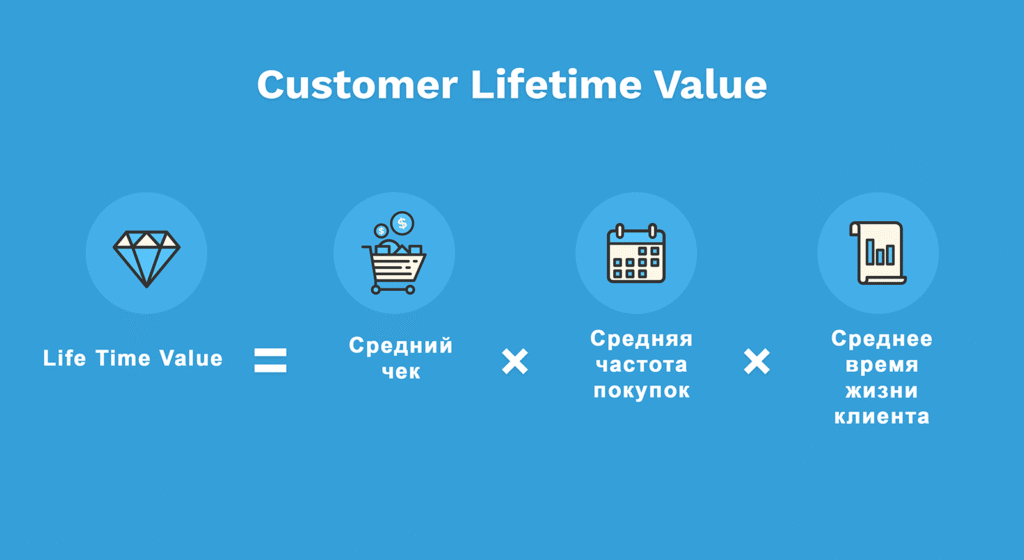
A simple way to think about RevShare profit is:
Net RevShare Revenue − Traffic Cost = Actual Campaign Profit
But to calculate it accurately, you need to account for the full user lifecycle.
Your revenue model should include:
For example, an affiliate may see strong gross revenue in the dashboard. But if a significant share of payments is refunded, disputed, or deducted, the final net revenue can be much lower.
That is why gross revenue vs net revenue affiliate reporting is critical.
Gross revenue can look attractive. Net revenue shows what you actually earned.
The best RevShare campaigns are not necessarily those with the highest first payment. They are the ones with stable paid conversion, healthy rebill performance, manageable refund rates, and a payback period that fits your budget.
Without cohort analysis, RevShare performance can become difficult to interpret.
A cohort is a group of users acquired during the same period or from the same traffic segment. Instead of looking at all users together, you analyze how specific groups behave over time.
Common cohort checkpoints include:
Cohort analysis affiliate marketing helps you see whether users acquired from one campaign, GEO, creative, or source are generating stronger long-term value than others.
For example, one traffic source may produce good first-payment performance but weak D7 retention. Another source may generate fewer initial payments but much better rebill rate by D14 or D30.
Without cohort analysis, those differences can remain hidden inside average statistics.
Cohort reporting also helps you identify whether changes in creatives, landing pages, traffic sources, or GEO targeting improved real user quality.
The key question is not just: “How much revenue did this campaign make today?”
It is: “How does each acquired cohort develop after the first payment?”
Even strong LTV does not guarantee a profitable RevShare campaign.
Several factors can reduce final earnings:
Refunds and chargebacks affiliate marketing programs see can significantly reduce net revenue.
A refund happens when a user receives money back.
A chargeback happens when a user disputes a payment through their bank or payment provider.
High refund or chargeback levels may indicate that users misunderstood the offer, were disappointed after conversion, or did not receive enough context before payment.
This is why aggressive creatives can be dangerous in subscription funnels. A creative may produce cheap leads or strong first payments, but if it creates unrealistic expectations, the campaign can later suffer from refunds and weak retention.
RevShare rewards long-term traffic quality, not just initial conversion volume.

Gross revenue is the total amount generated before deductions.
Net revenue is what remains after refunds, chargebacks, payment processing costs, adjustments, and other deductions are applied.
For affiliates, the difference can be substantial.
An offer may advertise an attractive RevShare percentage, but the key question is: percentage of what?
Before launching, clarify whether your share is calculated from:
A high RevShare percentage is less meaningful if it is calculated from a heavily reduced revenue base.
The most important number is not the headline percentage. It is the net amount you are likely to receive after all relevant deductions.
There is no universal answer to RevShare vs CPA adult offers.
Each model works better in different situations.
CPA is often more suitable when:
RevShare can be more suitable when:
A hybrid CPA + RevShare model can be useful when you want both early cash flow and long-term upside.
With a hybrid offer, you receive a fixed payout for the initial action while continuing to earn a percentage of future user revenue.
This can reduce risk and make subscription offers easier to test.
Not every traffic source is equally suitable for subscription offers.
RevShare depends on what users do after the initial payment. That means traffic quality, trust, expectations, and retention matter more than raw lead volume.
Sources that often work well for long-term monetization include:
These sources can give users more context before conversion.
Cold traffic can still work with RevShare, but it may require a stronger bridge between the first click and the offer. That bridge can be a prelander, content sequence, comparison page, or another trust-building step.
When users understand the offer before conversion, they are more likely to remain active and less likely to request refunds or dispute payments.
If you want to learn more about the secrets of working with adult traffic, read our article.
Before testing a RevShare offer, collect as much information as possible.
Ask the affiliate manager or partner program:
The more transparent the reporting, the easier it is to make a rational decision.
If you cannot see paid events, rebills, refunds, retention, or net revenue, it becomes difficult to evaluate whether the campaign is actually profitable.
Many profitable campaigns are paused too early because affiliates judge them using CPA logic.
Common mistakes include:
The main mistake is treating RevShare like an instant-payment model.
It is not.
RevShare is a long-term revenue model that requires more careful tracking, stronger patience, and better understanding of user behavior after conversion.
Decisions should be based on cohort data, not on emotions after the first few days.
Consider keeping or scaling the campaign when:
Consider changing the funnel when:
Consider stopping or pausing the campaign when:
The best decision is not always “keep” or “stop.”
Sometimes the right move is to improve the creative, add a prelander, change the traffic source, separate GEOs, or move from pure RevShare to a hybrid model.
RevShare in adult offers requires a different analytical mindset from classic CPA campaigns.
The first payment is only a starting point.
To measure long-term affiliate profit, track:
Affiliates who understand these metrics can identify offers that may look weak in the first days but become profitable over time.
The strongest RevShare campaigns are built on quality traffic, transparent reporting, realistic user expectations, and disciplined cohort analysis.
Do not judge a subscription funnel by its first payment alone.
Measure what happens after the user converts. That is where real RevShare profit is created.
RevShare pays affiliates a percentage of the revenue generated by referred users instead of a fixed payout. With subscription offers, affiliates may earn from the first payment and future rebills.
The main revenue in subscription funnels may come from recurring payments and user retention. A campaign that looks weak in the first days can become profitable as rebills appear.
Subscription LTV is the total revenue a user generates during their entire active period. For RevShare analysis, use net revenue where possible and account for refunds, chargebacks, and deductions.
Both matter. LTV shows the total value of a user, while payback shows how long it takes to recover your traffic cost. A high LTV is less useful if the payback period is too long for your budget.
CPA is often better for faster cash flow and quicker testing. RevShare can produce higher long-term profit when traffic quality, retention, and rebill performance are strong.
Ask about the RevShare percentage, gross vs net revenue calculation, available tracking events, average LTV by GEO, expected payback period, refund levels, hold rules, and allowed traffic sources.
Registration takes 2 minutes. No experience needed — we'll teach you everything.
Just fill out the form
Registration takes 2 minutes. No experience needed — we'll teach you everything.