To access the HUNT ME referral program dashboard, enter the email and password you used during registration.
Fill out the form — it takes 2 minutes. A manager will contact you on Telegram, provide free training, and help you get your first result.
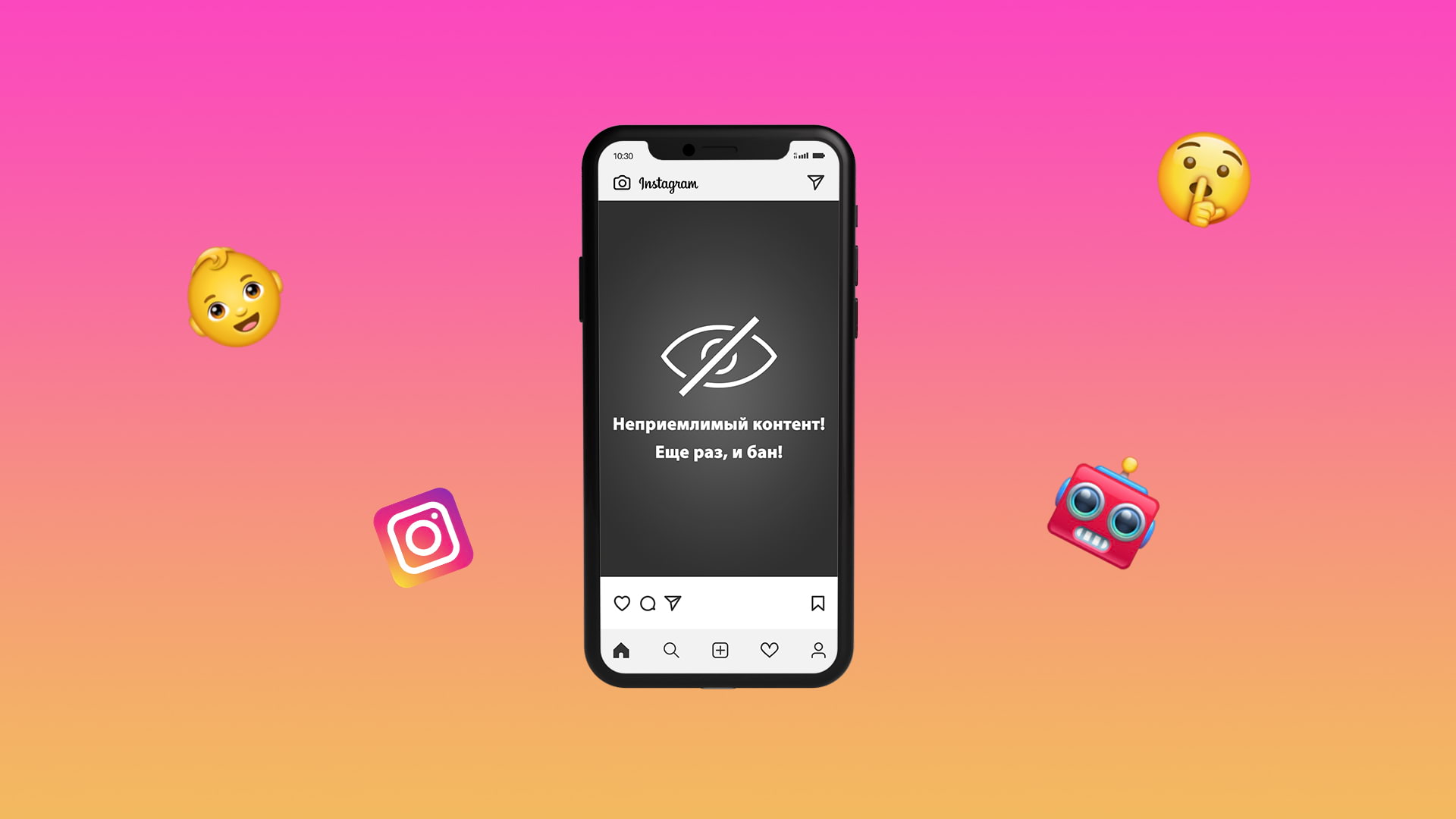
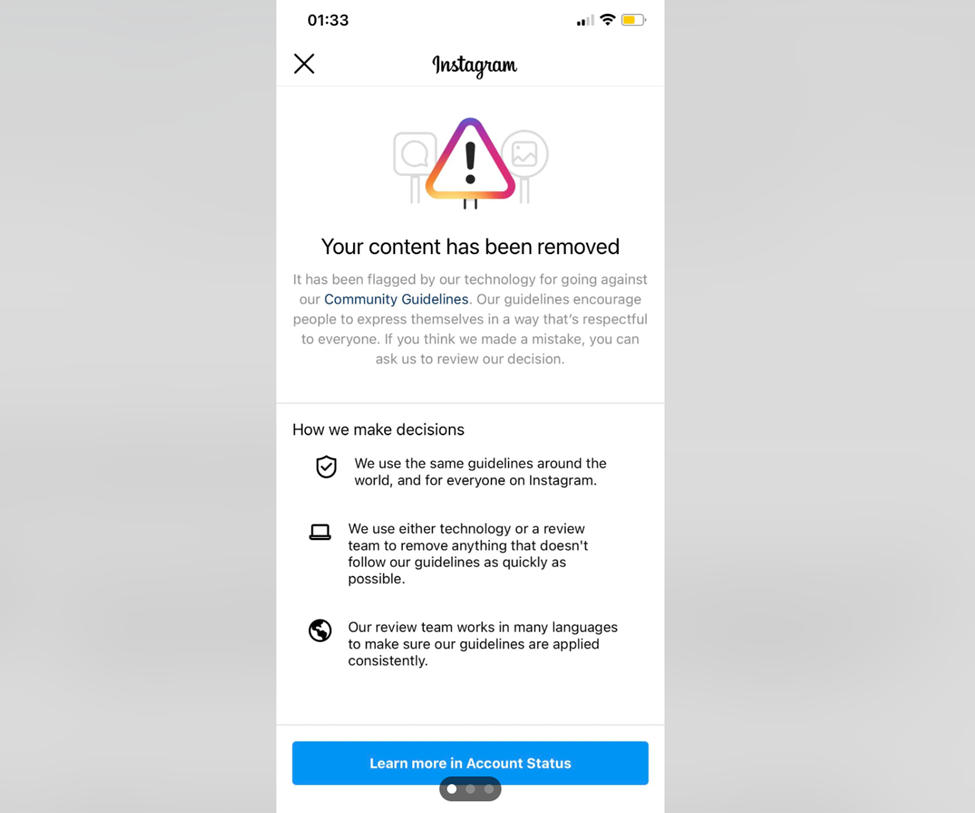
In 2026, content strikes are no longer a rare “bad luck” event — they’re a normal operational risk, especially in adult verticals. Platforms have automated detection, rights holders file complaints at scale, and algorithms can recognize copyrighted music, reused video clips, brand logos, and even UI elements inside screenshots.
The catch is that one DMCA strike affiliate ads incident can take down far more than a single creative. Depending on the platform and the severity, it can cascade into ad account restrictions, domain issues, payment holds, or a full asset wipe. That’s why adult marketing copyright isn’t a “legal detail” — it’s part of stable scaling.
Many affiliates still assume that trimming, speeding up, or adding a filter will “hide” borrowed assets. In reality, a copyright strike TikTok or copyright strike YouTube Shorts can be triggered by very short fragments, and a Meta copyright complaint ads case can hit weeks later — right when you’ve already scaled and the damage is expensive.
This guide explains what rights are commonly violated, what you can use safely, what you should avoid, and how to build a practical workflow to reduce strikes while staying scalable.
When affiliates think about copyright, they usually think of movies or popular songs. In practice, risk comes from multiple rights layers:
Earn with HUNT ME — weekly payouts
In adult verticals, these risks are amplified because enforcement is stricter and complaints are more common. Even content that’s “everywhere online” is still protected — public availability does not equal permission.
There are “low-risk” options, but only when you can prove the rights:
If you filmed it, created the graphics, licensed the audio, and have releases from everyone on camera, you’re in the safest category. This is the cleanest way to avoid takedowns long-term because you control the chain of ownership.
Stock is fine when you have a valid stock footage commercial license (and the license explicitly allows advertising/commercial use). A lot of strike stories start with “free stock” downloads where the licensing terms were misunderstood. If you can’t confirm commercial usage rights, treat it as unsafe.
If a creator makes a video for your campaign, that alone doesn’t automatically give you ad rights. You want a simple written agreement — a UGC usage rights agreement — that grants permission for paid ads, across platforms, for a defined period and geography. If the creator is on camera, you still want a release (or a combined document) to protect likeness usage.
If the advertiser or network provides a brand kit, promo pack, or approved creatives, that’s significantly safer than pulling random assets from the internet — especially in verticals where brand name restrictions affiliate offers exist. Official assets also reduce compliance confusion because they tend to match the offer messaging.
AI can be usable, but it’s not automatically safe. You need to confirm the platform/service terms allow commercial use, and you should avoid prompts that generate “near copies” of celebrities, brands, or recognizable styles. AI can unintentionally create lookalikes that trigger complaints, especially when the output resembles real people.
If you want to reduce strikes dramatically, avoid these categories unless you have explicit rights:
Earn with HUNT ME — weekly payouts
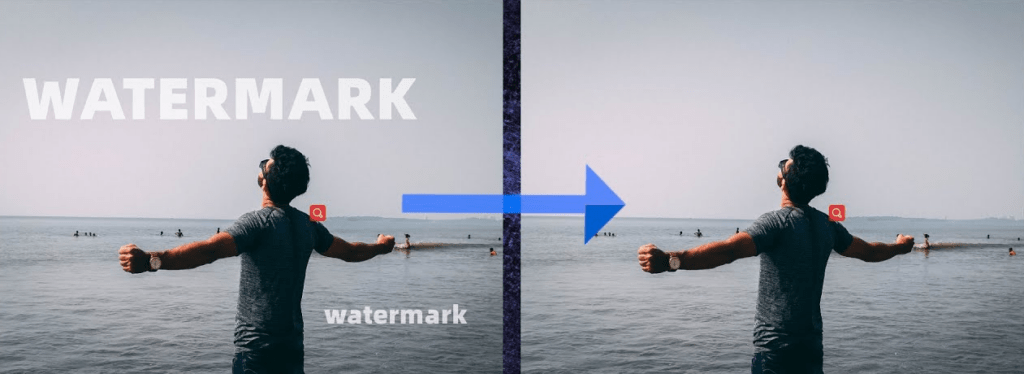
Most strike systems are built for recognition. Small edits don’t reliably evade detection, and trying to “outsmart” detection is not a scalable strategy.
Music is often the fastest path to a takedown because audio fingerprinting is extremely effective. Platforms need only a few seconds to match a track. That’s why music copyright in ads is such a frequent failure point: affiliates use a trending sound assuming “it’s inside the app, so it’s allowed.”
But “available to users” is not the same as “licensed for paid advertising.” In many platforms, the consumer music library and the advertising-licensed library are completely different.
Safer options include:
The simplest rule is also the most profitable one: if you can’t prove the license origin, don’t use the track.
In adult verticals, identity/likeness enforcement can be intense. If a recognizable person appears in a paid campaign, you should have permission to use their image commercially. This is what a model release for ads is for — not just “a courtesy,” but a risk shield.
Common misconceptions that lead to problems:
A strong operating habit is simple: store releases and permissions alongside the creative assets, because if you scale a campaign and later need to respond to a complaint, you’ll need proof quickly.
Using logos or brand names to increase credibility is one of the fastest ways to trigger takedowns — and it can violate offer rules too. Trademark use in advertising becomes risky when your creative implies endorsement, affiliation, or official status.
Many offers have strict clauses around:
This is where brand name restrictions affiliate offers hit hard: even if the platform doesn’t strike you, the program may reverse conversions or remove you for policy violation. When in doubt, use neutral language, avoid logos, and confirm brand rules with the affiliate manager.
Prelanders in adult can be a DMCA magnet, especially when affiliates copy other people’s “review pages” and tweak a few lines. That’s where prelander copyright compliance matters.
High-risk prelander patterns:
Prelander problems often escalate beyond an ad takedown because the complaint can target the domain. The safer route is original writing, original visuals, and only using materials you’re allowed to use.
Also: be careful with “disguised” advertorials. If it’s promotional, your page should not impersonate an official source or pretend to be an independent authority in a misleading way. That’s not only rights risk; it’s also platform trust risk.
If you want campaigns to survive scaling, you need a lightweight rights process:
Track:
This becomes your internal content licensing checklist in action, not theory.
Keep a folder per campaign with:
When a complaint hits, speed matters. Proof you can access in 2 minutes prevents panic and reduces downtime.
Before publishing:
Pause the creative immediately, preserve all proof, and only then decide whether an appeal is justified. Appeals work when you have rights. They don’t work when you don’t.
This is the difference between “we got unlucky” and “we operated without a system.”
AI makes creative production faster, but it adds new risk:
The safest AI approach is:
AI is a tool, not a shield.
Most takedowns are not bad luck. They’re repeating patterns:
That last one is huge: even if you had the rights, if you can’t prove it, you lose.
In 2026, content licensing is infrastructure. Spending 30 minutes to verify rights and store proof is cheaper than losing an account, a domain, or a payout route after the next strike.
If you want campaigns to last, operate like a business: use licensable assets, document permissions, avoid brand misuse, and treat prelanders as original publishing — not copy-paste shortcuts. That’s how you build stable, scalable adult campaigns with fewer strikes and fewer catastrophic resets.
1) Why do I get a copyright strike TikTok or YouTube Shorts even if I edited the video?
Because platforms use fingerprinting that recognizes content even after trimming, filters, speed changes, or overlays. Editing reduces visibility to humans, not to detection systems.
2) Can I use “trending sounds” in ads?
Not safely unless you have ad-usage rights. Platform consumer libraries often differ from ad-licensed libraries. If you can’t prove a license, use verified royalty free music for ads or licensed libraries.
3) Do I really need a model release for ads if the person agreed verbally?
If the person is recognizable, written permission is the safest standard. A model release for ads protects you when platforms or rights holders challenge usage later.
4) What’s the biggest trademark use in advertising mistake affiliates make?
Using logos or brand names to imply official affiliation or to increase trust, even when the offer forbids it. This can trigger platform complaints and program-side reversals.
5) How do I reduce DMCA risk on prelanders?
Avoid copying articles, reviews, screenshots, and interfaces. Build original text and use licensed visuals only. Maintain prelander copyright compliance by keeping proof of assets and avoiding misleading “official” impersonation.
6) What should be inside a content licensing checklist?
Asset source tracking, proof of license, music verification, face/release checks, watermark checks, brand/logo rules, and a storage folder with all documentation linked to each campaign.
Registration takes 2 minutes. No experience needed — we'll teach you everything.
Just fill out the form
Registration takes 2 minutes. No experience needed — we'll teach you everything.