To access the HUNT ME referral program dashboard, enter the email and password you used during registration.
Fill out the form — it takes 2 minutes. A manager will contact you on Telegram, provide free training, and help you get your first result.
In affiliate marketing, a case study isn’t “content for content’s sake.” It’s a negotiation asset. The way you present results tells the program one of two stories: you either got lucky once, or you understand the system and can scale it safely.
In 2026, affiliate teams and affiliate managers care less about one-off spikes and more about predictability: traffic quality, stability across days, clean tracking, and a clear plan. A strong affiliate performance report makes that obvious in seconds. When it does, you’re far more likely to get higher payouts affiliate, unlock private offers, raise caps, and get faster support.
This guide is an affiliate case study template you can follow every time—so your results are believable, easy to review, and actionable for an affiliate manager.
Most affiliate case study example drafts fail for one reason: they have numbers, but no system. Metrics are listed with no context, no clear funnel, and no explanation of what’s trustworthy.
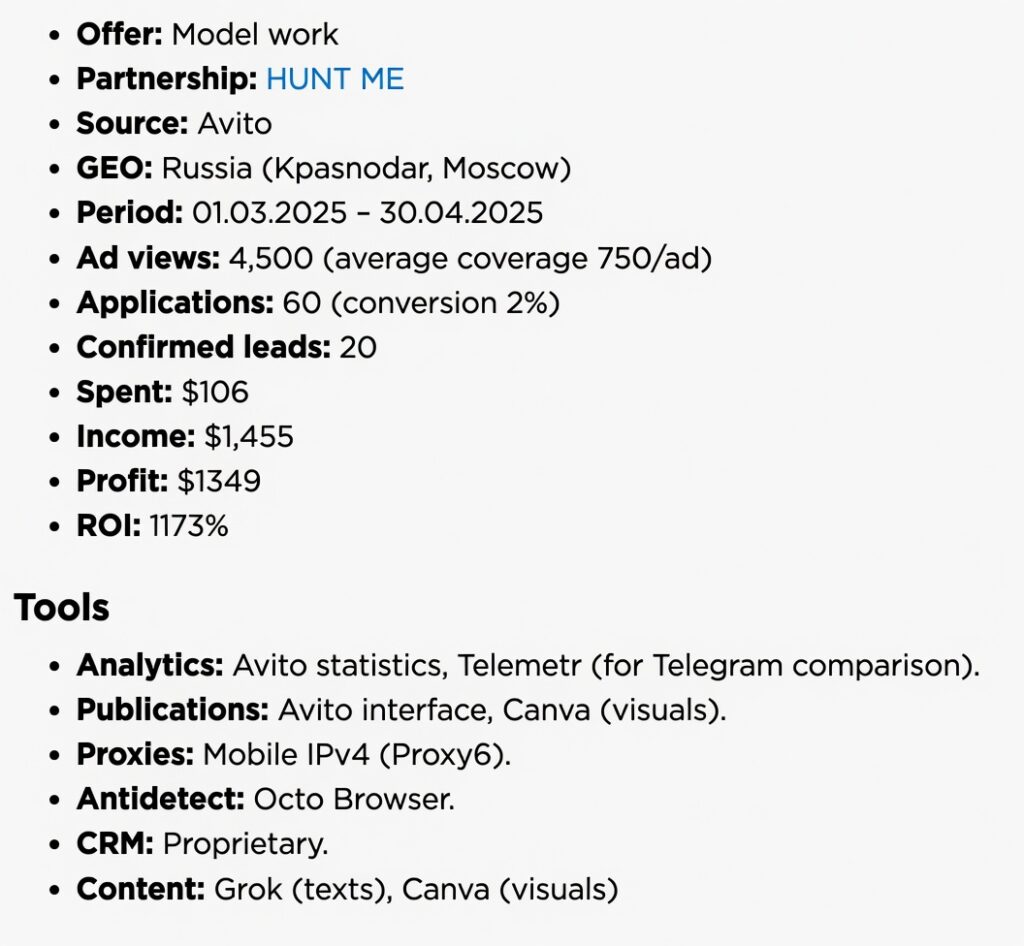
Programs need context first:
Earn with HUNT ME — weekly payouts
That context is what turns “numbers” into an interpretable experiment. Without it, your CTR, CR, or EPC could mean anything.
Next, programs want event clarity. “Leads” alone are not a business outcome. They need to see:
If your paid vs lead metrics are not shown, the case study reads like top-funnel vanity. If approval is weak, that’s an immediate quality risk signal (traffic type, validation issues, fraud filters, or offer mismatch).
Then comes the money layer:
Finally, quality and risk control:
And the last piece — the part most people skip:
conclusions and next steps. If you don’t translate numbers into learnings and a plan, the case becomes “a screenshot,” not a scale-ready business.
Affiliate managers skim. If your case doesn’t communicate the core story fast, it won’t be read.
Your summary must answer three questions:
Earn with HUNT ME — weekly payouts
A strong summary format:
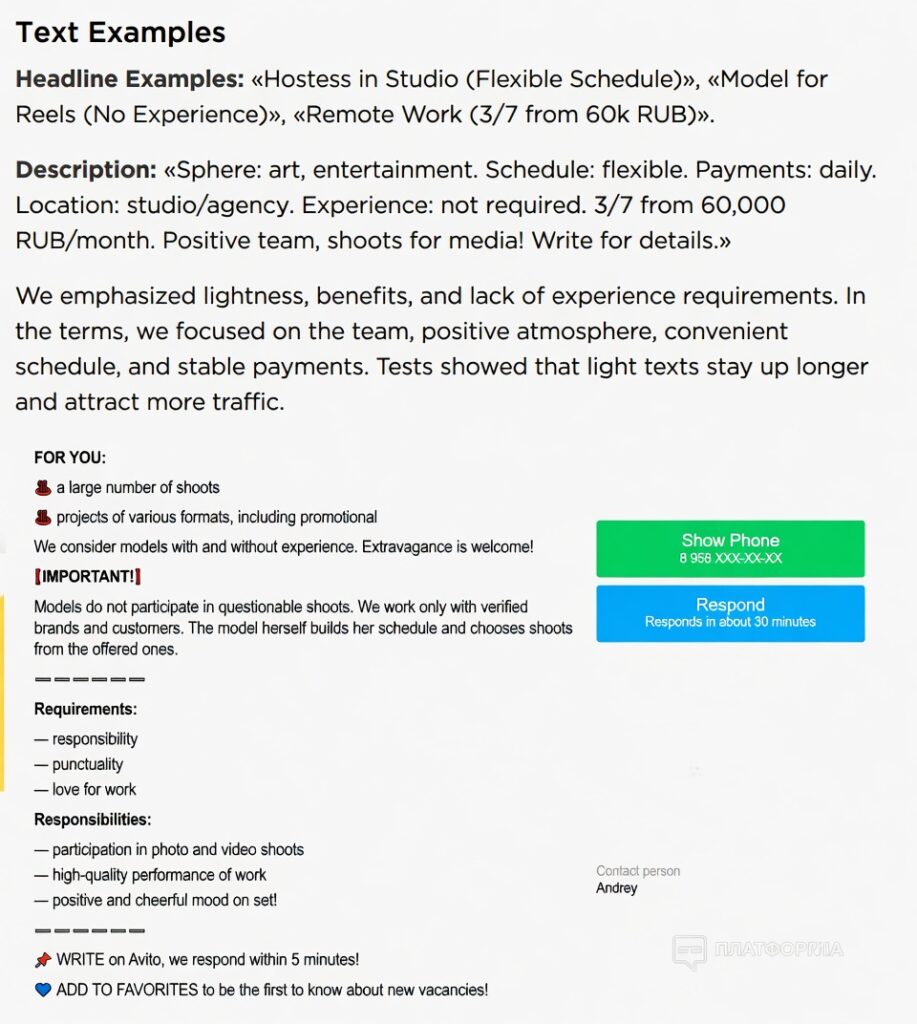
This is not the place for “We made $X.” That’s weak and easy to doubt. Stronger positioning looks like:
That language signals control. It shows you’re not just reacting to numbers—you’re managing a system.
And most importantly: include the ask. Your case study is a negotiation tool only if it ends with a specific request:
A common mistake is trying to make results look flawless. In affiliate operations, overly perfect cases raise suspicion—especially if there’s no supporting evidence.
Credibility comes from a few habits:
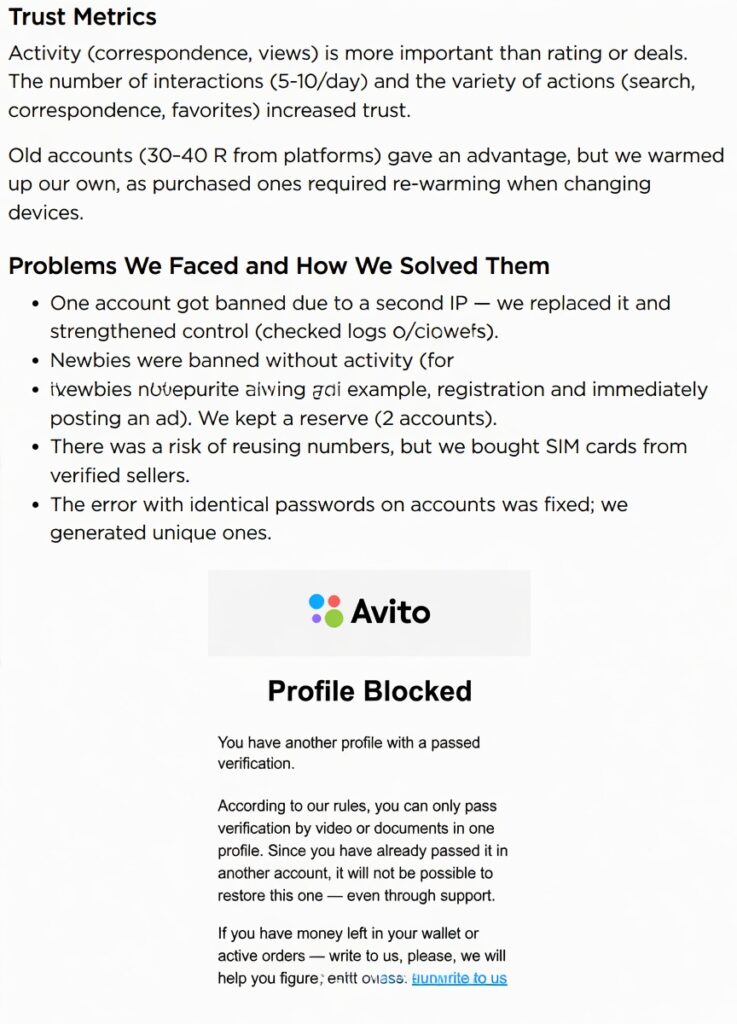
If something dropped, don’t hide it. Explain what you changed and how you corrected it. That’s how you demonstrate competence. Programs trust affiliates who can identify issues and fix them — because those affiliates are safer to scale.
Also address common sources of confusion: tracking differences, time zones, delayed conversion windows, and reconciliation. If you show you understand these, managers take your numbers more seriously.
Screenshots are credibility. Without them, higher-than-average metrics will be treated like “claims.”
But more screenshots is not better. A clean case uses screenshots as evidence, not decoration. Every screenshot should answer a specific question.
Minimum proof set:
For technical credibility, postback tracking screenshots are especially valuable. They prove that you’re not guessing about money events—you’re seeing the actual paid outcomes, not just clicks.
Also, address timing. In some verticals, revenue arrives later. Mention delayed conversions if relevant, so your case doesn’t look “weaker” than reality. Clear timing explanations increase trust.
Finally: don’t drop raw screenshots with no explanation. Add short captions, highlight the numbers that matter, and state what the viewer should notice. If a screenshot doesn’t strengthen your argument, remove it.
With subscriptions, you can’t show “first payment” and call it profit. Programs want to know: will this keep paying?
This is where subscription case study metrics matter. Your case should include:
If conversion is high but users churn instantly, that’s a risk signal. Managers will spot it quickly. Your job is to explain why retention is stable:
Also: don’t inflate LTV. Conservative reporting builds more trust and makes it easier to negotiate better terms later.
A clean LTV and payback report doesn’t need to be fancy—it needs to be honest and consistent.
A strong case is a lever, but the request language matters.
Bad:
Better:
That framing ties your request to business benefit. You’re not asking for a favor—you’re offering controlled growth.
Programs scale what is safe:
If you show those, it becomes rational for them to:
And managers prefer working with affiliates who communicate well:
That’s how a case study becomes influence, not just reporting.
If you’re just starting out in affiliate marketing, join HUNT ME! We’ll provide you with your first offers, scripts, guides, and ready-made tools—everything you need to get started. How much you earn depends on your traffic, and payouts arrive every week in USDT.
Register and receive your first offer in just 5 minutes!

Most cases fail not because the numbers are bad—but because the presentation hides what matters.
Frequent mistakes:
A good case answers the “debug” questions automatically:
If you avoid these mistakes, your case study stops being “a bunch of numbers” and becomes a decision tool for the affiliate team. Context explains why the results happened, the funnel shows where value is created (and where risk is controlled), and the quality layer proves that your traffic won’t cause future problems with refunds, chargebacks, or compliance. That’s exactly what managers need to justify giving you better terms internally.
A well-structured case also reduces back-and-forth: instead of asking ten clarifying questions, the manager can immediately see the flow (click → lead → paid), understand timing effects like delayed conversions, and verify that tracking and attribution are clean. In other words, good presentation doesn’t just “look professional” — it saves time, protects trust, and makes it far easier for a program to say yes to higher payouts, higher caps, and faster support.
If you want your case study to consistently unlock better conditions, treat it like a one-page pitch, not a blog post. Lead with a tight summary, show proof of traffic quality, and tie everything to business outcomes — paid events, refunds, retention, and net ROI. Keep the manager’s workflow in mind: they’re making a risk decision, not admiring your CTR. The fastest way to get approved for stronger terms is to make their decision easy.
Here’s the practical rule to follow every time: show what you ran, prove what happened, explain why it’s reliable, and ask for one specific upgrade. For example: “We can scale spend to X while holding approval above Y and refunds below Z — if we move payout to A and raise caps to B.” That single sentence, backed by clean screenshots and consistent reporting, does more than any “we made $X” claim. When your case reads like a controlled, repeatable system, affiliate managers will treat you like a long-term partner — and that’s when the best offers, faster responses, and better payouts start showing up by default.
1) What’s the minimum structure for an affiliate case study template?
Context (source/GEO/time/spend) → funnel metrics (click/lead/approved/paid/refund) → money metrics (EPC/ROI/payback) → proof screenshots → conclusions → clear request. If any of these parts are missing, the case is harder to trust.
2) How do I pitch an affiliate manager without sounding pushy?
Use data + a scale plan. Don’t ask “raise payout.” Ask: “With these quality metrics and stable ROI, we can scale to X volume if payout becomes Y.” That turns the ask into a business decision.
3) What proof of traffic quality matters most?
Approval rate, refund/chargeback behavior, and clean source visibility (subID/UTM breakdown + tracking screenshots). Managers want to know your traffic won’t trigger compliance or fraud problems.
4) Should I include refunds and chargebacks in the report?
Yes. Hiding them reduces trust. Showing them—and explaining why they’re controlled—makes your case stronger. Net reality is more persuasive than inflated “gross” numbers.
5) What should a subscription case study include?
At minimum: cohort retention (D1/D3/D7), rebill rate, payback period, and a conservative LTV estimate. Subscription partners care about recurring value, not just first payments.
6) How do I use the case to get better conditions (caps, payout, hold)?
Make one clear request with one clear justification. Tie payout/cap/hold to controlled scaling: “If you raise caps / reduce hold, we can safely scale spend while keeping approval and refunds stable.” Then ask to confirm the agreed conditions in writing.
Registration takes 2 minutes. No experience needed — we'll teach you everything.
Just fill out the form
Registration takes 2 minutes. No experience needed — we'll teach you everything.