To access the HUNT ME referral program dashboard, enter the email and password you used during registration.
Fill out the form — it takes 2 minutes. A manager will contact you on Telegram, provide free training, and help you get your first result.
Most beginners stare at dashboards, see “some clicks,” and assume they’re close. Then they panic: change creatives, kill campaigns too early, or scale the wrong thing. The problem isn’t effort — it’s diagnosis. Money is made at the end of the chain, not at CTR.
This affiliate marketing metrics guide gives you a practical way to read performance step-by-step and answer the most common question: why my campaign isn’t converting.
Any affiliate funnel is basically:
Impressions → Clicks → Landing → Lead → Approved → Paid → (Rebill/Retention) → Refunds
If you don’t track the full path, you’ll optimize the wrong stage.
Earn with HUNT ME — weekly payouts
Minimum metrics by stage:
If you’re missing paid/rebill/refund visibility, you’re guessing. That’s where postback tracking issues and missing conversions tracking become the silent profit killers.
Use this funnel debugging checklist as your first scan:
Keyword trigger: CTR low what to do
Usually means: weak hook/angle, wrong audience, creative fatigue, or offer mismatch at the ad level.
That’s classic landing page drop-off or “trust/UX” failure.
Keyword trigger: conversion rate low what to do
Usually means: landing/flow friction, unclear value, wrong intent, geo/device mismatch, or too many steps.
Keyword trigger: approve rate low
Usually means: traffic quality, anti-fraud flags, geo mismatch, restricted source types, duplicates.
Keyword trigger: EPC drop after launch
Usually means: payment friction, offer quality, poor buyer intent, subscription churn, or refunds.
Earn with HUNT ME — weekly payouts
Keyword trigger: refund rate increase
Usually means: overpromising, mismatched expectations, aggressive push, billing clarity issues, low-quality traffic.
Usually postback tracking issues, dedup problems, timezone/reporting windows, or delayed conversions attribution.
This is how experienced teams diagnose without chaos.
Look at:
Cheap clicks can be “wrong clicks.” Don’t assume low CPC is good.
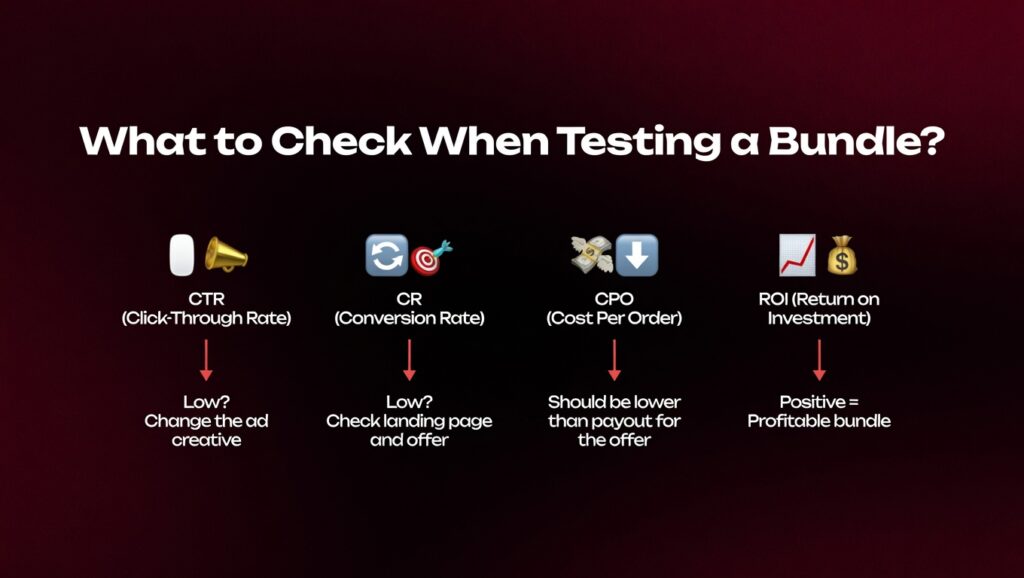
Besides CTR, check:
Low CTR usually needs a new hook/angle, not random targeting edits.
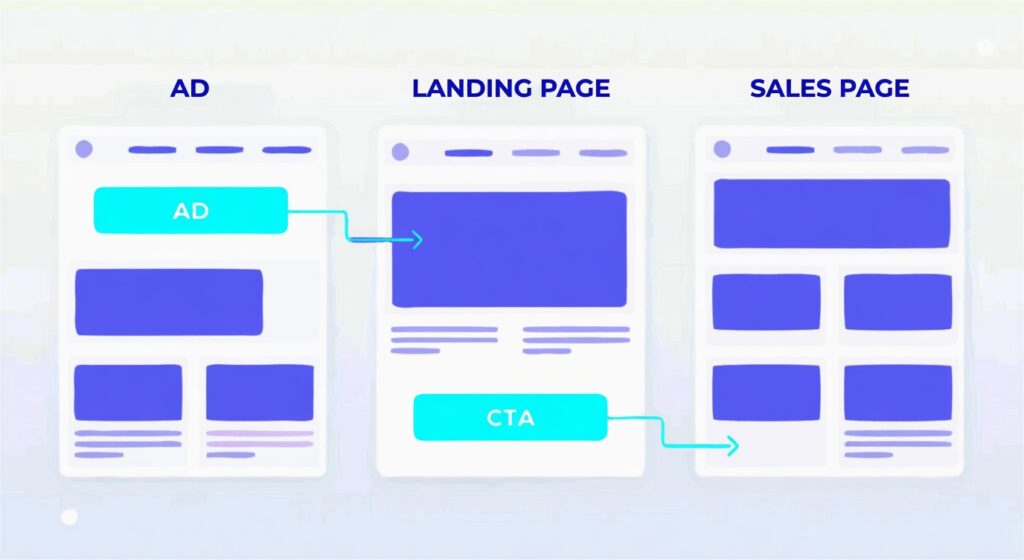
This is where mismatch ad to landing page destroys funnels.
If clicks exist but flow dies immediately, your funnel isn’t “broken” — it’s leaking at the landing.
Even great traffic fails if:
Don’t judge a funnel only by leads.
Track:
If tracking is wrong, your decisions are wrong.
This is where how to optimize an affiliate funnel becomes impossible without clean data.
Try, in order:
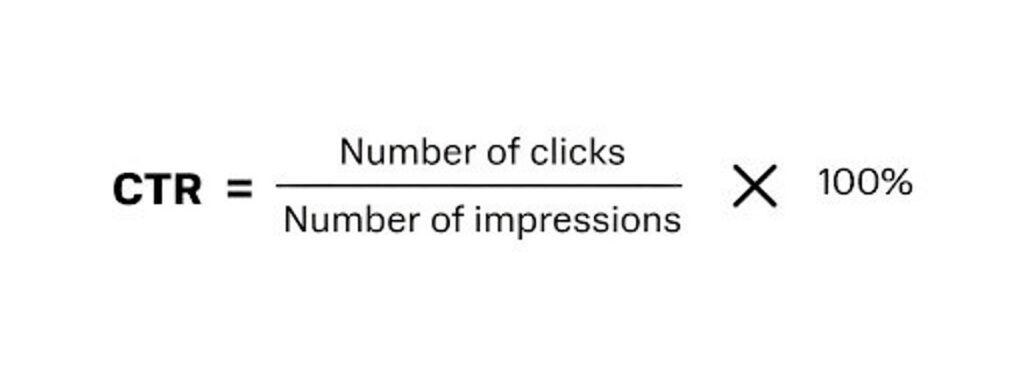
Check:
Also ensure there’s no mismatch ad to landing page.
Check:
EPC can drop even when leads look good:
This is exactly why you must watch refund rate increase and retention, not just top-funnel numbers.
Sometimes the funnel is fine — your tracking isn’t.
Common postback tracking issues:
If conversions show in the network but not your tracker, that’s classic missing conversions tracking. If conversions appear later, that’s delayed conversions attribution — don’t kill campaigns too early.
The fastest way to lose money is to “optimize everything” at once.
These rules sound simple, but they’re exactly what separates profitable affiliates from people stuck in constant “relaunch mode.” Most losses come from impatience: killing campaigns before delayed conversions attribution has time to mature, scaling because CTR looks good while paid metrics are still weak, or changing five variables at once and then not knowing what actually fixed (or broke) performance.
Treat optimization like controlled experiments: define the stage you’re fixing, pick one lever, run it long enough to get a meaningful sample, and validate the result on money events — not just clicks. Once you build that discipline, your stats stop feeling like noise, your decisions get faster, and you start improving funnels with confidence instead of guesswork.
If you treat this map as a routine, your optimization becomes much calmer and more profitable. Instead of guessing, you’re always answering one question: “Which step is leaking?” That mindset prevents the two classic beginner mistakes—changing everything at once and scaling based on the wrong metric. Start with the earliest broken link, fix it with one controlled change, and then re-check the full chain down to money events (paid, renewals, refunds).
Over time you’ll build your own benchmarks for each stage — what CTR is “good enough,” what approval rate is acceptable, how long conversions take to mature — and that’s when stats stop being confusing spreadsheets and become a decision engine. That’s the real difference between “watching numbers” and knowing exactly how to read affiliate stats like a pro.
1) Why my campaign isn’t converting even though CTR is good?
Because CTR is attention, not intent. High CTR can still produce poor buyers if the message is misleading, the landing leaks, or the offer/payment step fails. Check landing page drop-off, approval rate, and paid rate.
2) CTR low what to do first?
Change the first seconds/first line and test a new angle (curiosity, story, proof). If frequency is high, refresh creatives to reduce fatigue.
3) Conversion rate low what to do if clicks are coming?
Start with the landing: speed, clarity, trust, and mismatch ad to landing page. Then check offer restrictions and whether the traffic intent matches the offer.
4) What causes approve rate low in affiliate offers?
Most often: geo mismatch, restricted traffic sources, duplicates, anti-fraud signals, or low-intent traffic. Pull a sample set and ask the manager for specific rejection reasons.
5) What are the most common postback tracking issues?
Lost clickid/subid on redirects, missing paid/rebill/refund events, wrong event mapping, or deduplication errors. These lead to missing conversions tracking and wrong optimization decisions.
6) How do I handle delayed conversions attribution?
Don’t judge campaigns too early. Compare performance over a consistent time window and watch time-to-convert. Some funnels pay later, especially subscriptions or higher-friction offers.
If you’re just starting out in affiliate marketing, join HUNT ME! We’ll provide you with your first offers, scripts, guides, and ready-made tools—everything you need to get started. How much you earn depends on your traffic, and payouts arrive every week in USDT.
Registration takes 2 minutes. No experience needed — we'll teach you everything.
Just fill out the form
Registration takes 2 minutes. No experience needed — we'll teach you everything.