To access the HUNTME referral program dashboard, enter the email and password you used during registration.
Fill out the form — it takes 2 minutes. A manager will contact you on Telegram, provide free training, and help you get your first result.
One of the most frustrating situations in affiliate marketing looks the same every time: leads are coming in, landing page conversion looks fine, traffic costs stay within plan — but revenue drops. Most affiliates start hunting for problems in creatives, angles, or the traffic source, when the real issue can sit deeper in the stack.
In 2026, payment failures subscription funnels have become one of the biggest reasons profitability declines across multiple verticals. Payment providers tightened fraud checks, banks became stricter with online payments, and users encounter more verification friction. As a result, paid conversion falls even when the traffic quality stays solid.
That’s why modern affiliates can’t treat billing as “someone else’s problem.” Billing now directly impacts paid rate, LTV, payback, and net profit — and it varies massively by GEO.
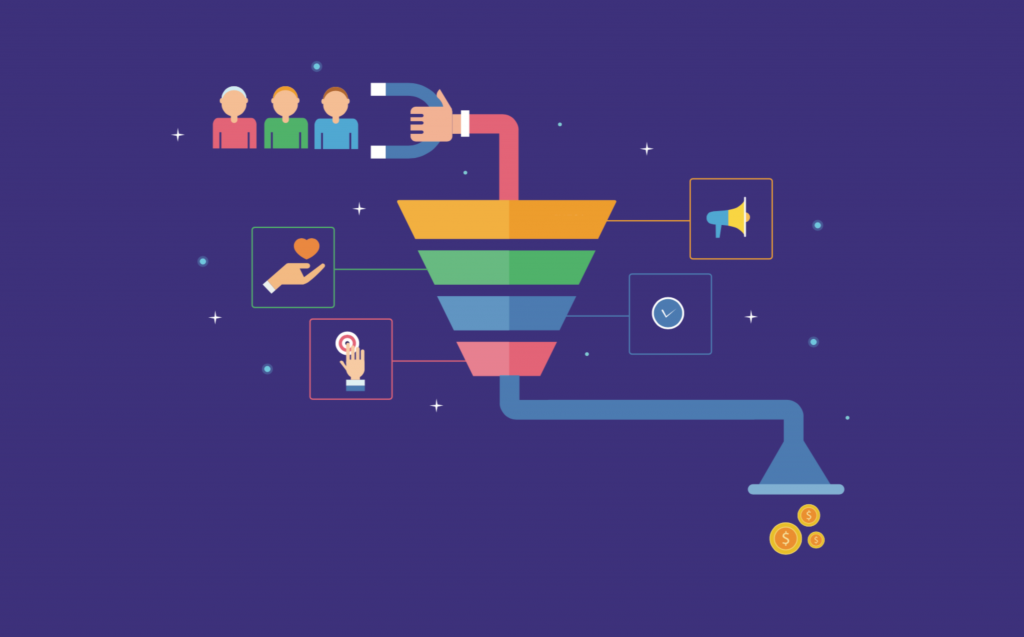
Most affiliates only watch registrations and leads. But between “lead” and “money” there’s a full payment funnel:
This is why a “paid” event is not automatically “profit.” Revenue can be reversed later through refunds or disputes, and subscription revenue depends on whether renewals actually stick. It’s also why the same offer can look strong in one country and collapse in another — the payment rails and user behavior differ.
Earn with HUNT ME — weekly payouts
When affiliates ask why card payments fail, the answer is usually not “users are dumb.” It’s infrastructure, rules, and risk systems.
Common drivers:
Even if your ads and landing page are performing, a payment funnel that rejects too many attempts will crush profitability.
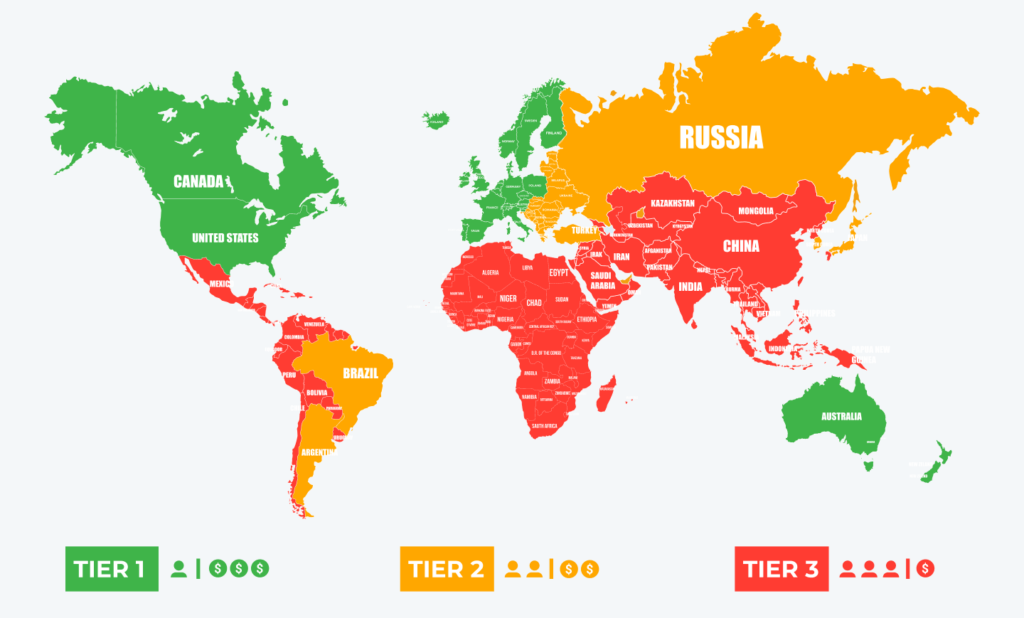
When people talk about Tier 1 Tier 2 Tier 3 payments, they often focus on CPM and payout. In practice, the bigger difference is payment success and reversal behavior.
This is why “best payout” doesn’t mean “best net revenue.” Your offer choice should account for local payment reality.
A few years ago, many offers could rely on cards alone. In 2026, that’s often a losing strategy outside select markets.
In many countries, local rails drive the majority of successful payments. Examples include:
If an offer doesn’t support the payment method the audience actually uses, paid conversion can drop even with good traffic and good intent. That’s why “payments by GEO” is now a core part of offer selection, not a minor detail.
Earn with HUNT ME — weekly payouts
Many affiliates assume a failed payment is lost forever. That’s not always true.
Modern billing systems use failed payment recovery mechanisms:
A strong recovery system can materially lift rebill rate and shorten payback. If you’re running subscription offers, it’s worth asking what recovery logic exists, because it can be the difference between “looks great on first payment” and “actually profitable on net.”
Refund and dispute behavior differs radically across markets. In some countries, users accept renewals and handle cancellations normally. In others, disputes through the bank are common, especially when billing terms weren’t clear or expectations were misaligned.
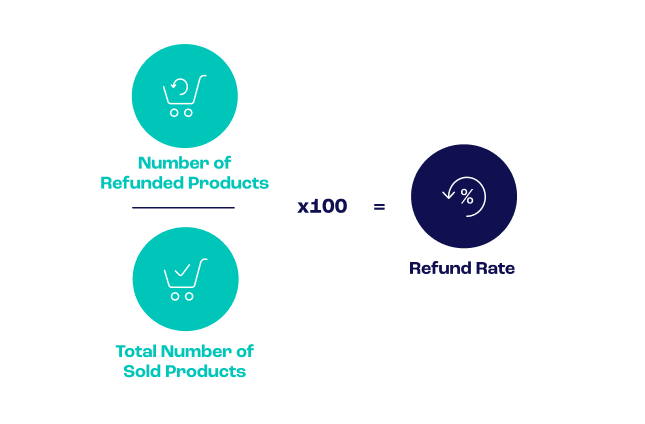
That’s why you need to track:
A high refund/chargeback rate is not always “bad traffic.” It can also signal weak billing clarity, a poor payment UX, or an aggressive messaging mismatch between ad, landing page, and checkout.
If you want to avoid scaling into billing failure, evaluate offers with billing in mind.
Before you run volume, ask:
This is the real meaning of how to choose offers by payment methods. Paid conversion is a billing outcome, not just a marketing outcome.
Without money events, you can’t diagnose. You need visibility into the full lifecycle:
This is how you correctly interpret a paid conversion rate drop. If paid falls only in a specific GEO or device segment, it’s usually payment infrastructure—not the creative.
When payments suddenly underperform, don’t start by rebuilding ads. Start by isolating the payment variables.
Only after this should you decide whether to change GEO, switch offers, adjust the funnel, or reroute traffic to a payment-friendly alternative.
These are expensive because they don’t show up immediately. They show up after scale, when the net revenue collapses.
In 2026, billing is not a technical detail — it’s part of the offer’s economics. The winners aren’t the affiliates who find the highest payout; they’re the ones who understand how payment success changes by country, how local methods influence paid rate, and how refunds/chargebacks reshape net profit after the first “good” dashboard view.
Build a billing checklist before you scale. Track paid/rebill/refund events, monitor cohorts, and evaluate offers by payment fit—not just headline terms. That’s how you protect LTV, shorten payback, and avoid ugly surprises after you push volume.
FAQ
1) Why do payments drop even when my traffic and landing CR stay stable?
Because payment success is a separate funnel layer. Banks, 3DS, provider anti-fraud, GEO/currency mismatches, and payment UX friction can reduce paid conversion while top-funnel metrics remain unchanged.
2) What’s the biggest cause of decline rate by country differences?
Local banking rules, fraud profiles, cross-border transaction sensitivity, and category risk classification. Some markets have higher default declines for international or subscription charges.
3) How does 3DS payment friction impact paid conversion?
3DS adds an extra verification step. Even when users intend to pay, any added friction reduces completion, especially on mobile. The effect can be large in certain GEOs.
4) Why are local payment methods PIX UPI Boleto so important?
Because in many markets, cards are not the default. When the checkout supports local rails, successful payment rate increases significantly compared to “card-only” setups.
5) How do I separate billing issues from traffic quality issues?
Track money events (paid/rebill/refund) and segment by GEO/device/source. If paid rate drops in specific GEOs/devices while leads remain stable, billing is the likely culprit.
6) What should I ask a program before scaling a subscription offer?
Ask about payment methods by GEO, 3DS frequency, refund/chargeback patterns, and whether there’s failed payment recovery / dunning retry logic. Those details often determine long-term profitability more than payout.
Registration takes 2 minutes. No experience needed — we'll teach you everything.
Just fill out the form
Registration takes 2 minutes. No experience needed — we'll teach you everything.