To access the HUNT ME referral program dashboard, enter the email and password you used during registration.
Fill out the form — it takes 2 minutes. A manager will contact you on Telegram, provide free training, and help you get your first result.

In 2026, subscriptions are one of the most reliable monetization models. They create predictable recurring revenue, support scaling with higher LTV, and make the business less dependent on constantly acquiring new leads.
But that’s also where the biggest trap hides: most teams obsess over acquisition and ignore retention. CPA can look “fine,” first payments come in, and everything appears healthy—until churn eats profit before you even recoup a test budget.
This guide is a practical playbook for subscription optimization: the levers that actually drive retention and LTV without endlessly increasing ad spend.
Before we talk tactics, align on metrics:
If you’re aiming for real churn rate reduction, you need to measure the full lifecycle, not just the first conversion.
Earn with HUNT ME — weekly payouts
Churn doesn’t “happen suddenly.” It accumulates across predictable points:
Users join, then realize the product doesn’t match what was promised. Overhyped ads and landing pages are the #1 driver of early refunds.
Bad onboarding. Users don’t see value quickly, don’t understand what to do, and don’t feel progress. A large share of cancellations happen in the first 3–7 days.
No habit formed. Users forget why they subscribed or don’t feel enough ongoing value. This is where many funnels see peak churn.
Content fatigue, no novelty, price sensitivity, or simply “I stopped using it.” If the product doesn’t evolve with the user, churn rises.
Understanding these stages is the foundation of any paid retention strategy.
The biggest mistake is assuming churn is only a product problem. In reality, 30–50% of retention issues are baked in at the traffic + expectation stage.
If your creative promises one thing and the product delivers something else, refunds are inevitable. If the landing page paints a perfect picture but the experience feels flat, many users cancel within 48 hours.
Earn with HUNT ME — weekly payouts
That’s why “traffic quality” is also retention strategy. Better intent at entry means:
The rule is simple: keep creative → landing → product aligned.
Great onboarding is not a long tutorial. It’s a fast “first win” within 3–10 minutes after payment.
What works:
If users don’t feel value during the first week, most will leave. This is one of the fastest ways to improve subscriber retention.
Paywall optimization isn’t just “how much do we charge?” It’s also about how users perceive fairness and clarity.
Transparency is non-negotiable:
Hidden billing increases disputes dramatically.
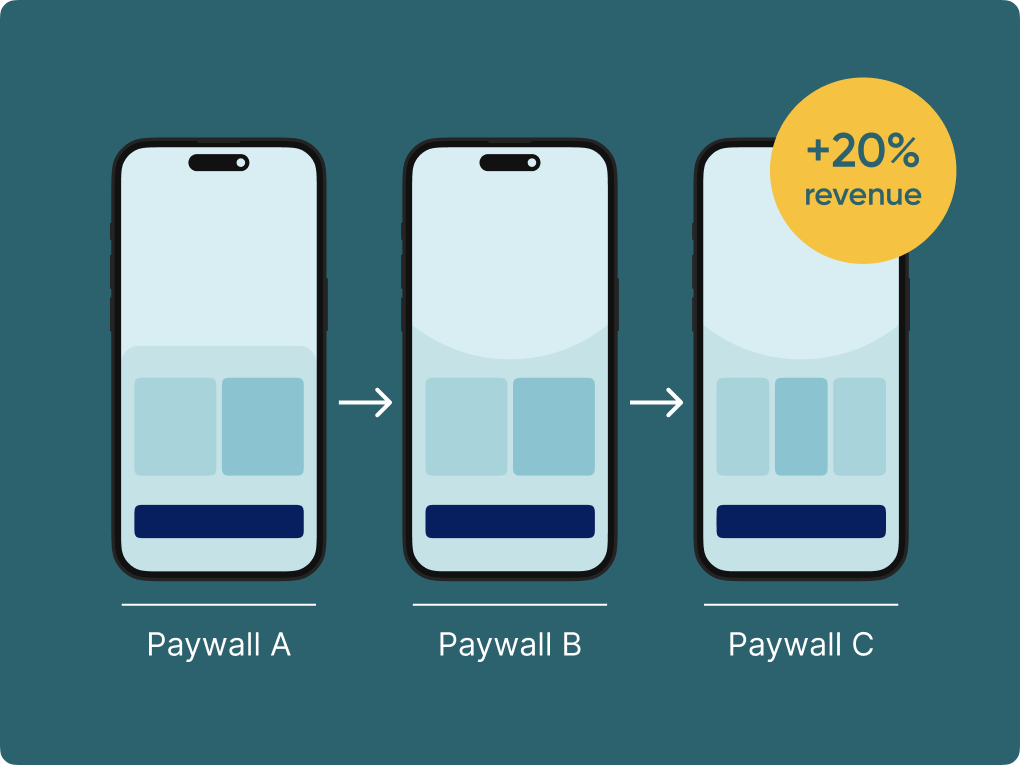
What to test:
The goal is simple: better conversion without creating “refund churn.”
Subscribers stay as long as they have a reason to come back. Regular updates are the minimum baseline.
High-impact mechanics:
If content feels “done” after 2 weeks, churn becomes unavoidable. Products need to grow with the user.
The moment before renewal is critical. A simple reminder that highlights value—sent 3–5 days before billing—can increase renewal rates materially.
Key levers for subscription rebill optimization:
Also, don’t ignore technical billing issues. Payment errors can silently kill retention.
Failed payment recovery: saving revenue you already earned
Declined charges are not the same as churn. Many users are still willing to pay—payment just failed.
Failed payment recovery can save 15–25% of renewals with:
This is one of the highest ROI retention interventions in subscription businesses.
Messaging is one of the most underrated retention levers.
Common flows:
Segmentation is essential:
This supports increase subscription retention without turning your funnel into spam.
Disputes aren’t just lost revenue—they’re a signal that something is broken: expectations, support, or billing clarity.
Top causes:
Refund and chargeback reduction often comes from:
Be careful with aggressive win-backs: pushing too hard can increase disputes.
Without cohorts, subscription optimization turns into blind shooting.
Minimum must-have:
Quick diagnosis:
You can test everything, but prioritize:
Use real sample sizes. Subscription decisions are noisy; tiny tests mislead.
Days 1–3: Diagnose
Build cohorts from the last 60 days, find drop points, collect churn reasons.
Days 4–7: Quick wins
Improve onboarding (first value), make paywall terms crystal clear, add renewal reminders.
Days 8–10: Messaging
Launch welcome + retention sequences across email/push/Telegram.
Days 11–14: A/B tests
Test onboarding and paywall changes, lock in winners, monitor new cohorts.
Teams can often achieve meaningful churn rate reduction in two weeks by fixing the weakest link first.
Subscriptions don’t win because you acquire more payers. They win because users stay longer and pay more times.
Strong retention can:
Start with cohorts and “first value” immediately after payment. Then scale what works: onboarding, communication, content cadence, and personalization.
Join HUNT ME. We’ll provide offers, scripts, guides, and ready-to-use tools—everything you need to build stable results fast.
Registration takes 2 minutes. No experience needed — we'll teach you everything.
Just fill out the form
Registration takes 2 minutes. No experience needed — we'll teach you everything.