How Affiliates Can Work With Cold Audiences and Gradually Move Them Toward an Application
13 min read · 08.11.2026 · 7 views

Contents
- How to Work With a Cold Audience in Recruiting
- Why Cold Audiences Do Not Apply Immediately
- The Candidate Journey From Awareness to Application
- What Candidates Need to Understand Before Applying
- What Content Helps Candidates Build Trust in an Offer?
- How to Use Soft CTAs in Recruiting
- Building a Telegram Recruiting Funnel
- Generating Candidate Applications From Social Media
- Generating Recruiting Leads From SEO and Blog Content
- When to Ask Candidates to Apply
- How to Measure Recruiting Content Performance
- Tracking Recruiting Leads by Content Source
- Why a Lower Application Conversion Rate Can Still Be Useful
- Use Candidate Questions to Improve the Funnel
- A Practical Workflow for Cold Audience Recruiting
Cold audiences are rarely ready to apply after their first interaction with an offer. Someone may come across a post, article, or video without knowing anything about the company, the work involved, or whether the opportunity suits them.
Asking for a phone number or inviting them to an interview immediately can make the next step feel too demanding. This matters in recruiting offers because an application leads to real contact: a message, a call, or an interview.
Want to start without experience?
Start with stream models: you look for people using ready-made scripts, and production companies handle the interview and training.
The affiliate’s task is to reduce uncertainty so that a suitable candidate can make an informed decision.
A recruiting content funnel supports that process. It helps people move from initial awareness to understanding the requirements, asking questions, and applying when they are ready.
How to Work With a Cold Audience in Recruiting
A cold candidate is not necessarily an unsuitable candidate. “Cold” describes their familiarity with the opportunity, not their qualifications or motivation.
Good at finding people? You get paid for it
You find a candidate, production companies and agencies do the rest. Payouts in USDT every Monday.
They may have discovered a Telegram post, watched a social media video, or found an article through search. They may not have been looking for this type of work and may have no reason yet to share their contact details.
At this stage, candidate questions before application are usually basic:
- What does the work involve?
- Who is the opportunity suitable for?
- Is previous experience required?
- Is training available?
- Who will contact me after I apply?
- What information will I need to provide?
- What happens next?
A low application conversion rate does not, by itself, prove that a traffic source is poor. The audience may lack information. Alternatively, the offer may be unsuitable, the message may be misleading, or the application process may be difficult.
A useful cold audience recruiting strategy starts by distinguishing between those possibilities.

Why Cold Audiences Do Not Apply Immediately
Sharing contact details requires trust. People know that submitting a form may lead to messages or calls, so they want to understand what they are agreeing to.
When the explanation is incomplete, candidates may worry about persistent follow-ups, unclear requirements, unexpected conditions, or exaggerated earnings claims.
Advertising that focuses on income while barely explaining the work can create a gap between expectations and reality.
A forceful call to action may generate curiosity-driven applications. Those candidates might then stop replying, decline an interview, or say, “I thought this was something else.”
Not sure what to write first? The script is ready
After sign-up you get ready-made scripts and a personal manager. No recruiting experience needed.
For the affiliate, the useful question is therefore broader than “How many forms were submitted?” It is also “Did the people who applied understand the opportunity and want to take the next step?”
This is the distinction between collecting contact details and generating quality candidate applications.
The Candidate Journey From Awareness to Application
A simplified candidate journey before application might look like this:
Discovery → interest → research → comparison → questions → understanding → application
People do not necessarily follow these stages in order. Some arrive with relevant experience and need only a few details. Others need more time or decide that the opportunity is unsuitable.
At first, someone needs to understand that the opportunity exists. Next, they may ask whether it interests them. More specific questions follow: what they would do, which requirements apply, how interviews work, and how compensation is determined.
Content should help people answer those questions at their own pace.
An effective candidate content funnel gives different materials different jobs:
| Stage | Candidate’s question | Suitable content | Possible next step |
| Discovery | What is this opportunity? | Short post, video, or introduction | Learn more |
| Exploration | Could this suit me? | Role overview and suitability guide | Check the requirements |
| Evaluation | What are the conditions? | Detailed explanation and FAQ | Review the full details |
| Preparation | What happens after I apply? | Process guide and interview overview | Ask a question or apply |
The purpose is to make the next decision easier, while allowing someone to leave when the opportunity does not suit them.
What Candidates Need to Understand Before Applying
Before sharing their details, a candidate may need to understand:
- The work involved and who it is suitable for.
- Whether experience is required.
- Whether training is provided and by whom.
- The confirmed requirements for the specific role.
- Whether the schedule fits their availability.
- How interviews are arranged.
- Who will contact them and through which channel.
- How compensation is calculated.
- Whether their location meets the offer’s requirements.
- Which personal details are requested and why.
- How to decline further contact.
These answers do not all need to appear in one long article. They can be distributed across connected materials, provided the essential conditions are clear before the application.
Be particularly careful with earnings. If candidate compensation depends on hours, performance, or other conditions, explain those conditions. Do not present an example or potential amount as guaranteed income.
Keep candidate compensation separate from the affiliate’s referral reward. A payment to the affiliate for a confirmed event is not the candidate’s salary.
For HUNT ME campaigns, check the relevant recruitment offers and their current requirements before creating candidate-facing content.
What Content Helps Candidates Build Trust in an Offer?
One common mistake is judging every publication solely by the applications it generates immediately.
Someone who discovered an opportunity a minute ago may reasonably want more information before deciding. The first material should help them understand whether the subject is worth exploring.
Useful introductory formats include:
- A short explanation of the role.
- A “who this suits and who it does not” guide.
- A video answering one common question.
- A simple overview of the application process.
- A practical FAQ.
- A genuine, permission-based account of someone’s experience.
Examples and scenarios can also help, but they should be labelled clearly. Do not present an invented story as a real candidate’s experience.
Once someone is interested, broad promises are no longer enough. They need concrete information about responsibilities, requirements, interviews, and the next step.
Candidate education content should answer those questions directly. Trust also depends on explaining who is behind the opportunity, how contact details are used, and what communication the person can expect.
The HUNT ME FAQ can help affiliates check general platform information. Candidate-facing explanations should still reflect the specific offer and the process confirmed for it.
How to Use Soft CTAs in Recruiting
A call to action should match the reader’s readiness.
For a new visitor, suitable options might be:
- “See what the role involves.”
- “Check the requirements.”
- “Learn how the process works.”
- “Read the full details.”
For someone evaluating the opportunity:
- “Review the conditions.”
- “See what happens after you apply.”
- “Ask a question before deciding.”
For someone who understands the opportunity and wants to continue:
- “Apply for the role.”
- “Submit your details for the next step.”
A soft CTA is useful when it describes the action accurately. “Learn more” should lead to information rather than unexpectedly requiring a phone number.
Avoid artificial urgency, repeated requests for contact details, or responding to every question with the same application link. If someone is not ready, an explanation or relevant article may be more useful than another request to apply.
This is how to attract candidates without pressure while keeping a clear route available for those who want to proceed.
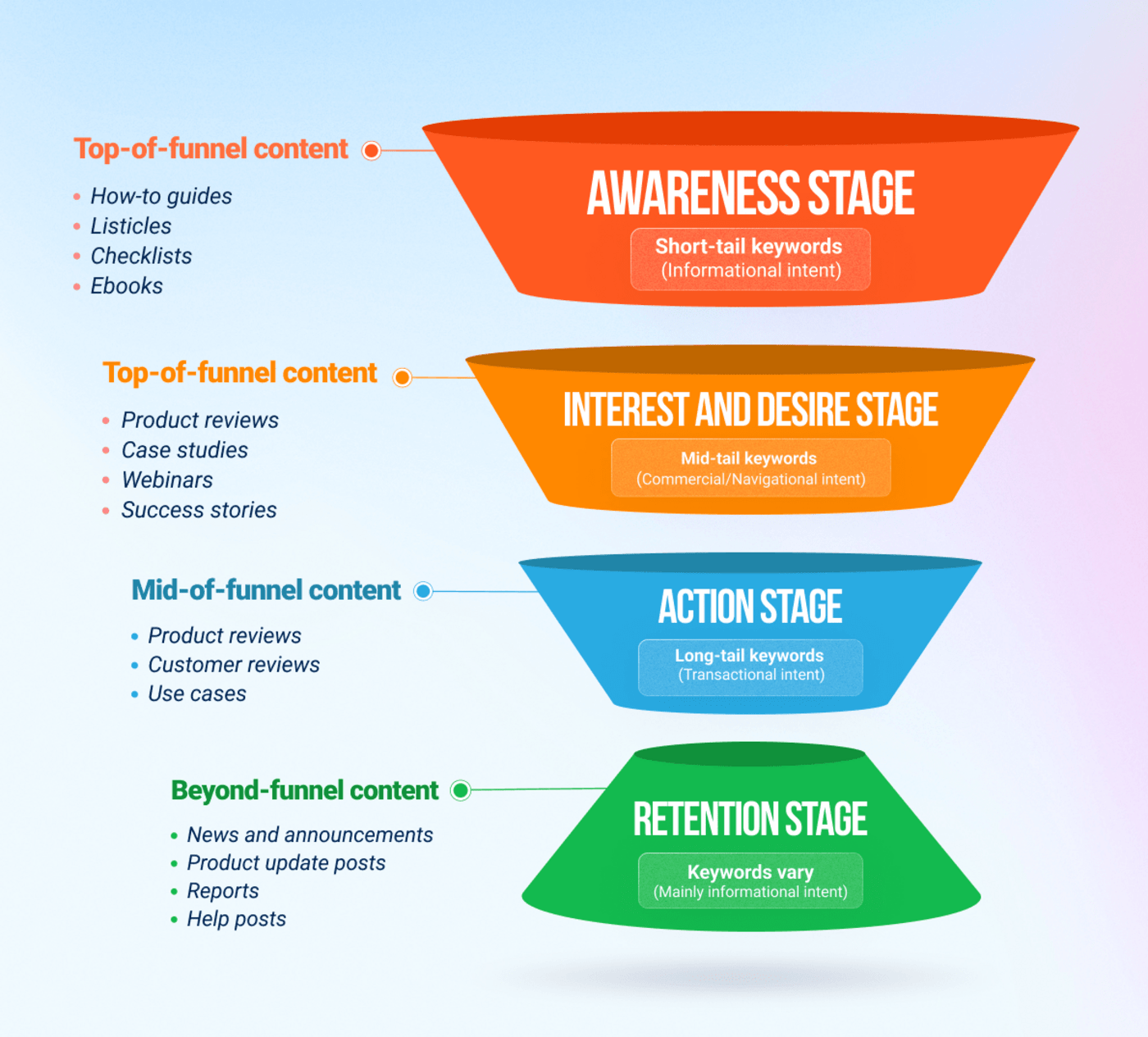
Building a Telegram Recruiting Funnel
Telegram allows affiliates to connect several useful pieces of content.
An introductory post can explain the opportunity. Other posts can cover requirements, typical questions, interviews, and the application process. A pinned guide can help new readers find the information they need.
A simple sequence might be:
Introduction → role explanation → requirements → questions and answers → full conditions → application
The channel should remain useful to someone who is still deciding. Repeating “apply now” in every post gives that person little reason to stay.
For a broader explanation of content sequences and appropriate calls to action, see our guide to Telegram content funnels and building trust without pushy selling.
When recruiting through communities, respect the community’s rules and keep the commercial purpose clear. Do not use fabricated conversations or additional accounts to create the appearance of independent recommendations.
Generating Candidate Applications From Social Media
The first interaction on social media is often brief. A single video or post can answer one question and help the viewer decide whether to explore further.
For example:
- A short video explains the work format.
- A profile or follow-up post clarifies who the role suits.
- A linked page covers the requirements and application process.
- The application is available once the person has enough information.
The wording and destination should remain consistent. If a post introduces one type of work, the next page should not reveal a materially different role.
To generate candidate applications from social media, focus on attracting relevant interest and explaining what that interest leads to.
A smaller audience that understands the opportunity may be more useful than a larger audience attracted by an ambiguous promise. Whether that improves results must be checked through downstream data.
Generating Recruiting Leads From SEO and Blog Content
Search visitors arrive with a question, but that does not automatically mean they are ready to apply.
Someone searching for interview information may be exploring the process. Another person checking a specific requirement may be much closer to a decision.
A useful SEO recruiting funnel starts by answering the query fully. The article can then point readers to the next relevant explanation, the offer’s conditions, or an application when appropriate.
An affiliate recruiting content strategy should connect these steps without forcing everyone through the same sequence.
For example:
Search question → useful article → relevant requirements → process explanation → application
Avoid turning every informational article into a thin introduction to a form. Readers should receive a useful answer even if they choose not to apply.
In some campaigns, an intermediate page can help explain the opportunity before the main application page. It should have a clear purpose and should be tested against a shorter route. Our guide to building a prelander and measuring its contribution to an affiliate funnel explains how to assess that extra step.
When to Ask Candidates to Apply
Readiness may become clearer when someone moves from general curiosity to specific questions.
They might ask about the requirements, location eligibility, interview arrangements, contact times, or how the role fits their availability. These questions suggest engagement, but they do not replace explicit interest in proceeding.
Before inviting an application, check that the candidate understands:
- The basic work format.
- The relevant requirements.
- Why their details are needed.
- Who will contact them.
- What the next step involves.
If they want to continue, applying can be a natural next action. If they decline or ask for time, respect that decision.
Candidate trust building depends partly on keeping the person in control of whether the conversation continues.

How to Measure Recruiting Content Performance
Application volume is only one measure of a recruiting content funnel.
To understand how content affects candidate quality, connect early engagement with later outcomes where the necessary data is available.
| Metric | What it helps you assess |
| Content views and meaningful engagement | Whether people encounter and use the material |
| Click-throughs to requirements or offer details | Whether readers seek further information |
| Content-to-application conversion rate | How many eligible visitors submit an application |
| Contactability and response rate | Whether submitted details lead to actual communication |
| Interview attendance | Whether candidates reach the interview stage |
| Interview show-up rate | Attendance among candidates with a scheduled interview, using a defined measurement window |
| Confirmed payable events | Whether the conditions of the selected affiliate offer are met |
| Cost per confirmed event | The acquisition cost of the result that matters for that offer |
| Confirmed payouts and net profit | Whether the campaign produces a positive financial result after relevant costs |
Keep reasons for unsuccessful applications separate. An invalid contact, a candidate’s voluntary withdrawal, a missed interview, and a failure to meet a role requirement are different outcomes.
For HUNT ME, do not assume that rejection after an interview always means no affiliate payment. The payable event depends on the offer and applicable payment model.
Tracking Recruiting Leads by Content Source
Where your tracking setup supports it, identify the source, campaign, market, creative, content page, and CTA version.
SubID tracking for recruiting content can help distinguish these combinations, but only when the parameters are supported and carried through correctly. Confirm the available tracking fields and reporting with your manager rather than assuming that every detail is recorded automatically.
Useful questions include:
- Which content produces applications from people who understand the role?
- Which sources generate valid, contactable candidates?
- Which content is associated with more attended interviews?
- Which combinations produce confirmed payable events at an acceptable cost?
Use comparable observation windows and account for duplicate applications and candidates whose next step is still pending. Otherwise, recently acquired leads may appear weaker simply because they have not had time to progress.
Why a Lower Application Conversion Rate Can Still Be Useful
Consider this hypothetical comparison:
| Result | Version A | Version B |
| Visitors | 1,000 | 1,000 |
| Applications | 100 | 55 |
| Attended interviews | 8 | 18 |
| Visitor-to-application conversion | 10% | 5.5% |
| Visitor-to-attended-interview conversion | 0.8% | 1.8% |
Version A generates more applications. Version B produces more attended interviews from the same number of visitors.
That makes Version B worth investigating. Its content may explain the role more clearly and help unsuitable visitors decide against applying.
However, these figures alone do not establish which campaign is more profitable. Acquisition costs, offer requirements, confirmed events, and payouts still matter. Nor do they establish interview show-up rate: that calculation requires the number of scheduled interviews.
The lesson is to assess application conversion alongside the outcomes that follow.
Use Candidate Questions to Improve the Funnel
The audience can reveal what your content is missing.
Recurring questions in messages, comments, and interviews can become topics for posts, videos, FAQs, or articles. Recorded reasons for withdrawal can also help, provided you distinguish what the candidate actually said from your interpretation.
If people repeatedly ask whether they can combine the role with other commitments, explain the confirmed schedule requirements.
If they hesitate to leave a phone number, clarify why it is requested, who will use it, and which contact options are genuinely available.
If candidates regularly misunderstand the work, revisit the first message or creative rather than adding more persuasive language later.
This approach builds content around real information needs. It also creates testable hypotheses: change one unclear explanation, then compare relevant outcomes under similar conditions.
A Practical Workflow for Cold Audience Recruiting
- Identify what the audience already knows about the opportunity.
- Check the current requirements and conditions of the specific offer.
- Choose one useful question for the first piece of content.
- Introduce the opportunity without requiring an immediate application.
- Explain the work format and who it suits.
- Address recurring questions with accurate information.
- Show what will happen after the next click or application.
- Link to further details for people who need them.
- Use a CTA that matches the reader’s readiness.
- Track content sources and variants using supported tools.
- Compare applications with later outcomes and confirmed events.
- Improve the content using candidate feedback and observed results.
For HUNT ME affiliates, the distinction between attracting candidates and conducting their subsequent interviews should remain clear. The platform’s explanation of how the partner model works provides context for that division of responsibilities.
A useful cold audience recruiting funnel gives candidates enough information to decide whether to continue. Some will apply, some will ask more questions, and some will recognise that the opportunity is unsuitable.
Measure how those decisions affect the quality of applications, subsequent participation, and confirmed results. To explore the available directions, review the current HUNT ME recruitment offers.
From here it's just practice
You already know how it works. Sign-up takes a couple of minutes and costs nothing.
No investment. Candidates 18+ only.