To access the HUNT ME referral program dashboard, enter the email and password you used during registration.
Fill out the form — it takes 2 minutes. A manager will contact you on Telegram, provide free training, and help you get your first result.
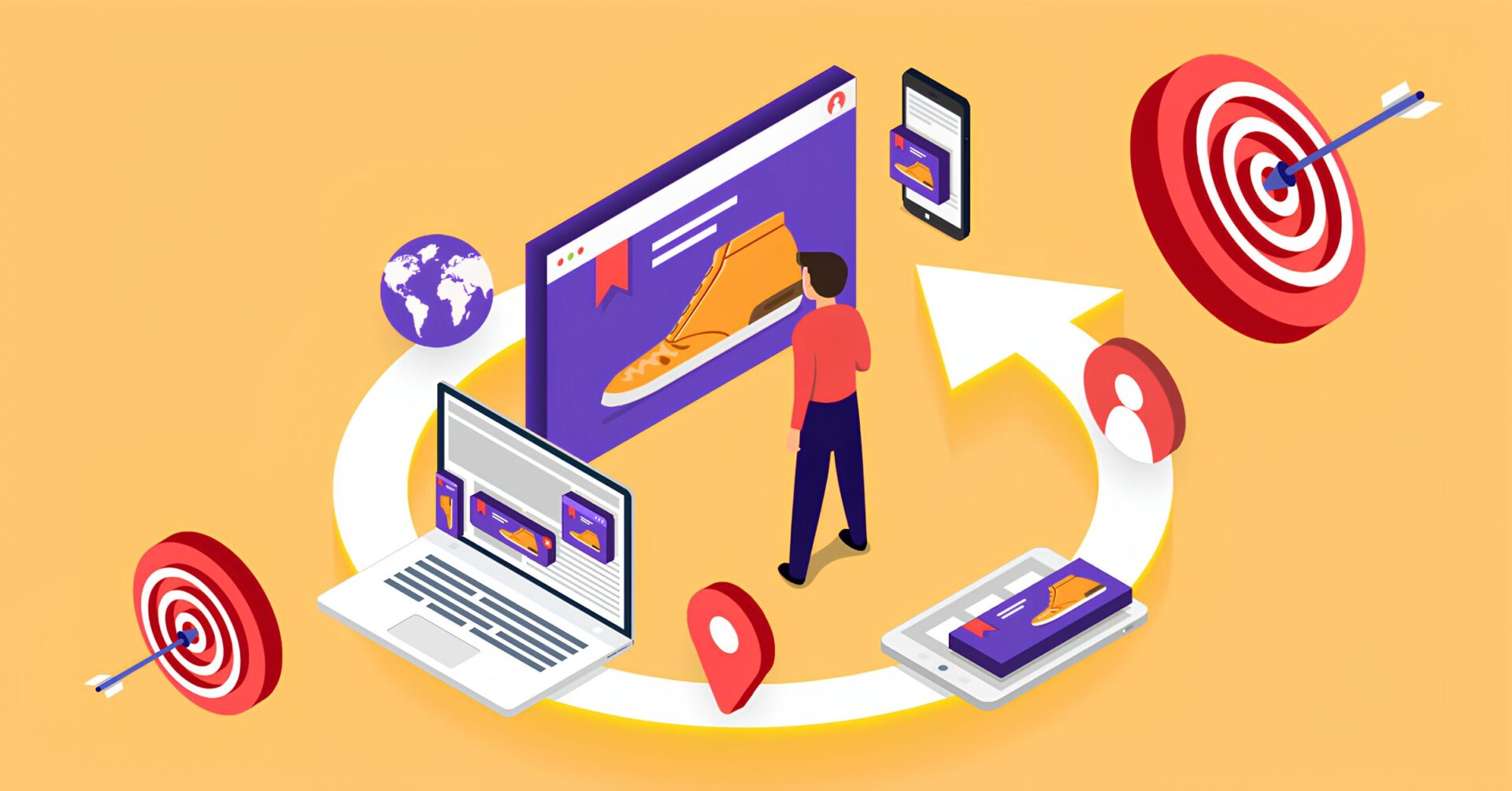
Retargeting hasn’t disappeared — the rules around it changed. In retargeting in 2026, it’s no longer “ads that follow people around.” It’s a system where performance depends on the quality of your data, how you segment audiences, and how relevant your messaging is at each stage.
You also can’t “brute force” mistakes with volume anymore. Bad setup shows up immediately: acquisition gets more expensive and conversion rate drops.
In this guide, you’ll learn what’s different in 2026, which retargeting types still perform, how to stay privacy-safe, and how to build a structure that consistently improves efficiency — including how to increase conversion rate with retargeting without annoying your audience.
It feels broken because older approaches stopped working. Broad “everyone who visited in 180 days” buckets plus the same creative for every person doesn’t move users to action anymore.
Retargeting now depends on precision:
Earn with HUNT ME — weekly payouts
The core idea didn’t change: people usually need multiple touches before they buy. What changed is cost of mistakes. Show the wrong message to the wrong segment and users burn out faster, complain more, and your economics deteriorate.
The biggest shift is simple: there’s less trackable signal. Browser limits, mobile restrictions, and the decline of third-party cookies make cross-site tracking weaker. That creates classic symptoms:

That’s why remarketing without cookies is now a core topic. Many teams are rebuilding around:
Also, long retargeting windows (like 180 days) often become less useful. Smaller audiences + fuzzy intent means shorter, clearer windows tend to perform better.
This is the new reality of cookieless retargeting: you win by structuring what you can measure, not by chasing massive windows.
Performance depends on where the signal comes from.
Classic site retargeting works if you reliably collect and pass first-party events. If your event chain is weak, it quickly becomes inaccurate.
Engagement retargeting uses in-platform signals: video views, post interactions, profile visits, clicks, messages. These audiences are less affected by external cookie limits.
Earn with HUNT ME — weekly payouts
CRM list retargeting (hashed email/phone lists with proper consent) is one of the most controllable audiences. It’s also less dependent on cookies and can remain reliable when pixel-based segments shrink.
Each platform has its own strengths and setup requirements:
There’s no single “best” retargeting type now. The best approach is usually a blended system across first-party + engagement + CRM lists.
Retargeting works when your audience is built around meaningful actions, not just “visited the site.”
Core events often include:
But events alone aren’t enough. The real power comes from:
Example window logic:
This is retargeting audience segmentation by funnel stage. It makes your ads feel relevant instead of repetitive — and it directly improves conversion rate.
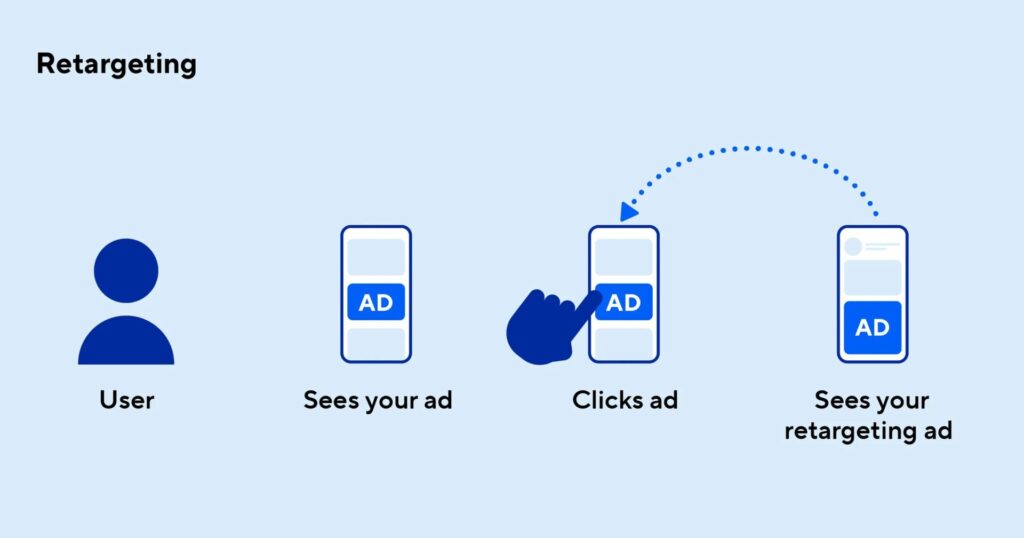
You have to treat retargeting as a privacy-sensitive system. The goal is to avoid:
Best practice is simple:
The less negativity your audience feels, the more stable your campaigns become.
In 2026, retargeting shouldn’t repeat the same pitch. It should progress the conversation.
Users who already know your offer expect a new reason to act. Strong retargeting creatives usually provide “next layer” information:
Format matters too: short videos, carousels with arguments, feed-native creatives. Variety reduces fatigue and increases engagement.
This is one of the cleanest ways to increase conversion rate with retargeting: make each step feel more helpful, not louder.
Because retargeting audiences are smaller now, fatigue hits faster. That’s why a retargeting frequency cap is not optional in 2026.
As frequency climbs:
To reduce ad fatigue in retargeting, you need:
Refreshing creatives and rebuilding segments regularly keeps performance stable and costs predictable.
Subscription funnels need special care. Retargeting can lift signups — but if you push too hard, you can increase refunds and lower LTV.
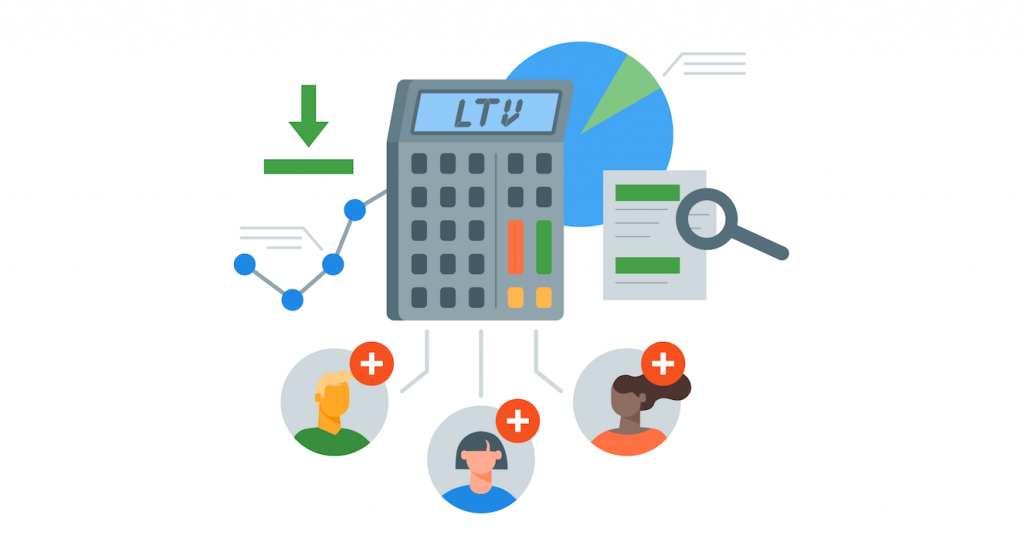
For subscriptions:
This is where retention economics shows up. You should watch:
Because renewals matter more than first payments, subscription retargeting must be measured with lifecycle events — including lookalike audiences from first-party data based on payers/retained users.
Retargeting and lookalikes work together:
But lookalike quality depends on your seed. The best seed is usually:
That’s why lookalike audiences from first-party data are so valuable: they let you scale based on real value signals.
To launch retargeting properly, follow the sequence:
Once this foundation is in place, retargeting becomes predictable instead of random. You’ll be able to see which segments actually drive revenue, where frequency starts hurting performance, and which messages move users to the next step. Most importantly, you stop “guessing” based on clicks and start optimizing based on paid outcomes — so your retargeting gradually gets cheaper, cleaner, and easier to scale.
Common failures:
With fewer signals in 2026, these mistakes hurt more than ever.
Retargeting in 2026 is a system built on segmentation, first-party signals, and respectful messaging. The less data you have, the more important it is that your data is structured and meaningful.
When done right, you’ll see exactly how first-party data retargeting plus smarter segmentation can lower acquisition costs — and how to increase conversion rate with retargeting even in a privacy-restricted world.
If you want to go deeper into performance marketing systems, join HUNT ME. We’ll provide offers, scripts, guides, and ready-to-use tools so you can build stable results faster.
Sign up and get your first offer in just 5 minutes.
1) Does retargeting still work in 2026?
Yes — but it works best as a system. Instead of one broad audience and one ad, you need clean signals, segmented windows, and stage-based messaging. Done right, retargeting still improves efficiency and helps increase conversions.
2) What’s the best retargeting option if cookies are limited?
Start with first-party data retargeting (site events you control), add engagement retargeting (in-platform audiences like video viewers), and use CRM list retargeting when you have consented emails/phones. This mix performs well under cookieless conditions.
3) How long should my retargeting windows be now?
Shorter windows usually work better in 2026. Common structure: 1–3 days (hot), 3–7 days (warm), 14–30 days (cold). Test by offer and funnel, but avoid relying only on very long windows like 180 days.
4) How often should I show retargeting ads (frequency cap)?
There’s no universal number, but you should cap frequency and monitor fatigue signals (CTR drop, CPM rise, complaints). Hot segments can handle more touches; cold segments should see fewer, with more educational creatives.
5) What should I optimize retargeting for: clicks or purchases?
Money events. Optimize toward paid outcomes (purchase/paid, renewal/rebill for subscriptions, and refunds where available). Click-based optimization often inflates volume while hurting true profitability.
6) Why do my retargeting campaigns get expensive or stop converting?
Most often it’s one of these: audiences are too broad, creatives don’t change by segment, frequency is too high (ad fatigue), or your event data is incomplete. Fix segmentation first, then refresh creatives, then tighten frequency rules.
Registration takes 2 minutes. No experience needed — we'll teach you everything.
Just fill out the form
Registration takes 2 minutes. No experience needed — we'll teach you everything.